


A serious injury caused by prescription medication often leaves patients searching for answers while dealing with physical pain, financial strain, and emotional stress. Many individuals followed medical advice, trusted pharmaceutical marketing, and used a medication exactly as prescribed, only to experience unexpected harm. Working with a Dallas dangerous drug lawyer allows injured patients to pursue accountability against pharmaceutical companies and other responsible parties when unsafe drugs cause preventable injuries. These claims focus on civil product liability rather than criminal conduct and require legal experience in pharmaceutical litigation involving harmful side effects, misleading warnings, or recalled medications. The goal centers on holding drug manufacturers accountable while pursuing compensation permitted under Texas law. We handle these cases at Anderson, Cummings & Drawhorn with a commitment to patient safety, detailed investigation, and strong advocacy for Dallas families.
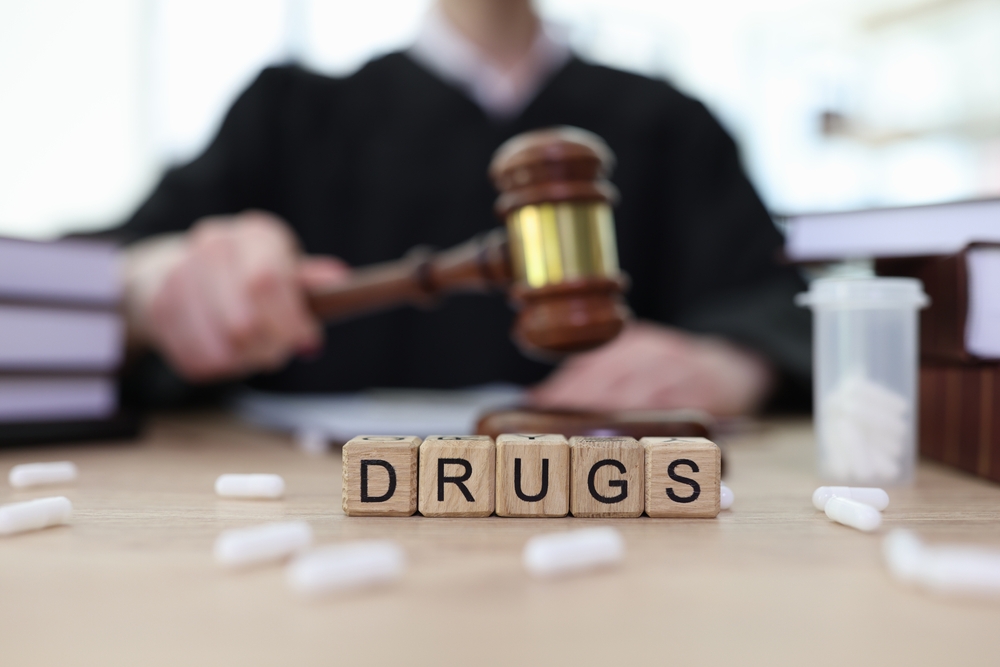
Texas law provides a specific definition for dangerous drugs, distinguishing prescription medications from controlled substances regulated under separate statutes. Under Texas law, a dangerous drug refers to a medication or device unsafe for self-medication and legally restricted to prescription use. The Texas Health and Safety Code Section 483.001 defines dangerous drugs as prescription-only medications bearing federally required warning legends or veterinary use restrictions, excluding substances listed under the Texas Controlled Substances Act.
In civil litigation, a drug becomes legally dangerous when defects in design, manufacturing, or labeling expose patients to unreasonable risks. A medication may cause harm even when taken correctly and exactly as intended. Pharmaceutical liability focuses on whether the manufacturer failed to design a reasonably safe product, properly manufacture the medication, or provide adequate warnings regarding known or foreseeable risks.
Protecting legal rights after a dangerous drug injury begins with informed action. Our firm focuses on pharmaceutical liability cases involving unsafe medications, undisclosed risks, and corporate misconduct, pursuing accountability and financial recovery for injured Dallas residents.
Dangerous drug lawsuits frequently involve medications prescribed to treat long-term or medically complex conditions. Drugs designed for pain relief, diabetes management, cardiovascular care, mental health treatment, autoimmune disorders, and weight control regularly appear in pharmaceutical litigation. Many injuries surface only after prolonged use or once larger patient populations reveal risks not fully identified during early clinical testing.
Some medications remain on the market despite growing reports of serious complications, including organ damage, cardiovascular events, neurological impairment, gastrointestinal injuries, and metabolic disorders. Others face recalls after contamination issues, dosage inconsistencies, or manufacturing failures. When drug companies continue marketing medications while downplaying emerging safety concerns, injured patients may pursue legal action for resulting harm.
Product liability law recognizes three primary defect categories in dangerous drug cases. Each category involves distinct legal and evidentiary considerations.
A marketing defect occurs when warning labels, instructions, or promotional materials fail to disclose serious risks associated with the medication. A design defect exists when the drug’s chemical composition or intended formulation creates unreasonable danger despite proper manufacturing. A manufacturing defect arises when errors during production compromise safety, such as contamination, incorrect potency, or improper storage conditions.
Identifying the applicable defect category allows legal counsel to determine the strongest theory of liability and pursue appropriate evidence, including expert testimony, internal corporate records, and regulatory findings.
Failure to warn claims represent one of the most common and contested areas of pharmaceutical litigation. Drug manufacturers carry a duty to provide accurate and complete safety information to prescribing physicians and patients. When warning labels omit known risks, minimize side effect severity, or delay safety updates, patients face exposure to avoidable harm.
Texas law outlines specific standards governing warning liability for prescription medications. Under Texas Civil Practice and Remedies Code Section 82.007, defendants in pharmaceutical failure-to-warn claims receive a rebuttable presumption against liability when FDA-approved labeling existed at distribution. This presumption may be challenged with evidence showing withheld safety data, misleading communications, or awareness of post-approval risks without adequate label updates. Successfully rebutting this presumption requires detailed investigation and legal experience.
No Fees Unless We Win
Design defect claims focus on whether a medication’s formulation created unreasonable danger when compared with safer, feasible alternatives available at the time of development. These cases examine whether the drug’s chemical makeup, dosage structure, or method of delivery exposed patients to risks outweighing any therapeutic benefit. Specialists analysis from pharmacologists, toxicologists, and medical professionals often plays a central role, particularly when evaluating long-term safety data and adverse event trends. A drug may involve known risks, yet still qualify as defectively designed when safer formulations or treatment options existed.
Manufacturing defect claims involve breakdowns during production or quality control. Contamination, incorrect dosage levels, compromised sterility, or improper packaging may render a medication unsafe. Even isolated manufacturing errors affecting a limited batch may support liability when patients suffer injuries as a result.
Injuries caused by unsafe medications vary widely in both severity and duration. Some patients suffer immediate reactions, such as internal bleeding or cardiac events, while others develop progressive conditions months or years after use. Common complications include liver toxicity, kidney failure, neurological damage, gastrointestinal injury, and cardiovascular impairment. Certain drugs may also trigger autoimmune responses or worsen preexisting conditions in unexpected ways.
Long-term complications frequently require ongoing medical care, including specialist treatment, prescription management, physical therapy, or corrective surgery. Many patients experience chronic pain, reduced mobility, cognitive changes, or emotional distress. These outcomes can interfere with employment, independence, and daily routines. Thorough documentation of present injuries and anticipated future care remains critical when pursuing appropriate compensation.
Pharmaceutical liability rarely rests with a single party, especially when multiple entities participate in developing, distributing, and dispensing prescription medications. Drug manufacturers often bear primary responsibility for design defects, manufacturing failures, and inadequate warnings. Distributors and wholesalers may share liability when improper handling, storage, or distribution compromises drug integrity before reaching patients. Pharmacies may face exposure for dispensing errors, incorrect dosages, or failure to identify contraindications.
In limited situations, prescribers may face scrutiny when treatment decisions fall outside accepted medical standards or disregard known risks. Texas product liability law permits injured patients to pursue claims against every party whose actions contributed to the injury. Identifying all responsible entities strengthens accountability and expands potential recovery sources.
Compensation in dangerous drug cases addresses both financial losses and personal harm. Economic damages often include emergency care, hospitalization, follow-up treatment, rehabilitation services, prescription costs, and necessary medical equipment. Lost income, reduced earning capacity, and missed employment opportunities may also factor into recovery. Future medical care frequently represents a substantial portion of damages when complications require ongoing monitoring or treatment.
Non-economic damages account for physical pain, emotional distress, mental anguish, and diminished quality of life. When evidence shows especially reckless or deceptive conduct by a pharmaceutical company, punitive damages may apply to deter similar behavior. Each claim requires careful analysis of medical records, professionals’ opinions, and projected long-term effects to determine appropriate compensation.
No Fees Unless We Win
Pharmaceutical companies aggressively defend dangerous drug lawsuits due to financial exposure and reputational risk. These cases involve complex medical science, detailed clinical data, overlapping state and federal regulatory frameworks, and extensive corporate resources. Defendants frequently argue FDA approval limits liability or attempt to attribute injuries to preexisting conditions rather than the medication itself.
Effective representation requires focused experience in pharmaceutical and product liability law. Attorneys must evaluate medical histories, analyze adverse event data, retain qualified professionals, and address statutory defenses under Texas law. The complexity of these cases highlights the importance of working with a Dallas dangerous drug lawyer who understands pharmaceutical litigation strategies and anticipates aggressive corporate defenses.
Protecting legal rights after a dangerous drug injury begins with informed action. Our firm focuses on pharmaceutical liability cases involving unsafe medications, undisclosed risks, and corporate misconduct, pursuing accountability and financial recovery for injured Dallas residents. We approach each case with thorough investigation, strategic advocacy, and respect for the challenges patients face after serious medication-related harm. Call 817-920-9000 to speak with a Dallas dangerous drug lawyer at Anderson, Cummings & Drawhorn and take the next step toward protecting your health and financial future.


When a large corporation or insurance company says ‘no,’ we see it as the beginning of a conversation, not the end. We will not be intimidated, and we will not rest until we have exhausted every avenue to secure the compensation you’re owed.

This page has been written, edited, and reviewed by a team of legal writers following our comprehensive editorial guidelines. This page was approved by attorney Seth Anderson, whose team has more than 50 years of combined legal experience in helping victims of personal injury seek justice.
Tell us about your accident and your injuries. An injury lawyer from our team will call and provide you with a free evaluation of your case. If we can help, and you are unable to travel, we will come to your home, office, or hospital. It’s easy – let’s get started.

Email us anytime and we will get back to you.

Our attorneys will come to your home, office or hospital at your convenience.

Our team is ready and waiting to help you today.

 call us at (817) 920-9000

 Message Us
  Call Us