






The Dallas Car Accident Lawyers at Anderson, Cummings & Drawhorn, LLP understand that any accident may result in injuries, whether mild or severe.
Surviving car crash victims may feel the effects of their injuries forever as they attempt to recover from trauma to the head, spinal cord, brain, or even the loss of a limb.
If you or a loved one has suffered an injury after being involved in a car accident that was caused by another motorist, you may be entitled to compensation.
Don’t face big insurance companies alone. Our award-winning lawyers have recovered over $100 million for clients just like you. We’re ready to put our 50+ years of combined experience to work, fighting for the compensation you deserve.
Client Reviews


"Outstanding results! I cannot thank Anderson, Cummings & Drawhorn, LLP enough for their incredible work on my case after my vehicle accident. From day one, they were professional, communicative, and aggressive in fighting for me. They didn’t just settle for the first offer—they pushed hard to make sure I got the absolute maximum payout possible to cover my vehicle and injuries. If you want a lawyer who actually delivers and gets you the compensation you deserve, look no further. Highly recommended!"
"I had such an amazing experience with this law firm! Adam Drawhorn took the time to explain all the options available to me and made sure that I understood each step of the process. And boy is he is creative! My case was an unusual one, and he relentlessly pursued it over the long haul. I'm so happy he took my case and I would absolutely recommend him to anyone needing an ace up their sleeve!"
"Adam is approachable and down to earth; he will give it to you straight. He’s truly invested in his clients’ wellbeing and looks out for their best interests. I don’t hesitate to recommend him, especially for car wrecks and dog bites."
"Mr. Anderson as well as his entire staff handled every aspect of my case with professionalism and efficiency. They were very communicative throughout the entire process. I would highly recommend him to anyone in need of a great personal injury attorney. He fought hard to get me every dollar that I deserved."
"My wife and I were in a serious accident and she sustained serious injuries. John was recommended by a co-worker. I have never had to deal with injuries due to a car wreck and the negligence of someone else so I was in unfamiliar territory. John was very understanding and patient and took the time to meet with us anytime we had questions and Mrs. Alvarez was on top of everything and very professional. I hope and pray we never have to go through this again but if we do John will be my first call."
"I had a complicated case involving a serious on the job injury. This firm worked hard to make sure I was compensated for my injuries. They communicated consistently with me and treated me well. Grateful to have been able to work with them and have them represent me."
"I highly recommend Anderson, Cummings & Drawhorn, LLP. Unfortunately, I experienced a car accident and Anderson, Cummings & Drawhorn, LLP stepped in and handled everything. They did a fantastic job. I worked a lot with Ms. Alvarez and she was incredibly professional and helpful."
"Anderson Cummings did a wonderful job representing me after a terrible car multi-car wreck with an underinsured motorist at fault. John Cummings was very knowledgeable, professional, conscientious, detail oriented, and empathetic to what I had gone through and helped me navigate a situation that I had no experience with. Ms. Alvarez also worked with me and was very helpful with my questions and communication. I would highly recommend their practice for your legal needs."
"John Cummings and Stacy were amazing handling my personal injury case. Every interaction was friendly, professional and personalized. They kept me informed throughout the process and took the stress off me. Highly recommend!!"
"Amazing team. After my car wreck, I was stressed, hurting, and worried about how I was going to handle everything. John and Stacy stepped in and truly took the burden off of me. They handled my case efficiently, explained everything in plain English, and always made me feel like I was in good hands. Thanks to their hard work, I received a very good settlement and could finally breathe again. I’m so thankful for their compassion and their expertise. Five stars without hesitation."
View More Reviews on Google Maps.
Every year, roughly 3,000 people become victims of Texas auto accidents, the National Highway Traffic and Safety Administration reports.
In 2010, a total of 2,998 people died statewide in auto accidents. In Dallas County, the number of traffic fatalities was 178, making this county the second-most dangerous in Texas for the fifth year in a row.
If you think your injuries are only minor, you may be surprised to know that they may become more complicated over time. Rehabilitation may be needed, or you may be unable to work for longer than you expected. Anderson, Cummings & Drawhorn, LLP believes that every car accident case deserves to be treated as a serious one, which is why we always look at the long-term consequences of what happened to you as we build your case.
You need a lawyer to protect your rights after an accident. We always look out for our clients best interests, and our attorneys offer free legal consultations to anyone who believes they have a claim.
Dallas continues to face serious traffic challenges-and the numbers back it up. According to the Texas Department of Transportation’s 2023 report, there were 15,219 serious injury crashes in Texas, and 18,752 people suffered serious injuries. As one of the busiest metro areas in Texas, Dallas sees a high number of collisions driven by dense traffic and ongoing congestion. The fatality rate on Texas roads in 2023 was 1.45 deaths per hundred million vehicle miles traveled, showing a slight improvement from 2022. Accidents in Dallas frequently involve high speeds or multiple vehicles, increasing the risk of devastating outcomes. When someone is hurt in a crash, getting legal help from a Dallas car accident lawyer can make a huge difference. It’s important to highlight that roads such as I-35E, I-30, and the Dallas North Tollway are frequent crash hotspots. Despite ongoing efforts to improve pedestrian safety, auto-pedestrian crashes remain a serious concern, posing risks to both pedestrians and drivers alike. Increased awareness, stricter traffic regulations, and improved infrastructure are necessary steps to mitigate these incidents and create safer roads for everyone.
Car accidents rarely happen by chance-they’re usually the result of someone acting carelessly. Running a red light, ignoring right-of-way rules, or simply not paying attention behind the wheel can all lead to devastating outcomes. In Texas, drivers are legally required to stop and exchange information after a crash, no matter who caused it. Ignoring this responsibility isn’t just risky-it can lead to criminal charges.

The truth is that most accidents in Dallas could have been prevented. Understanding what causes them can help you stay safer and back up your case if you’re hurt in one. Here’s what often goes wrong:
Dallas roads can be unpredictable-and it’s not just the weather or mechanical problems behind it. Aggressive driving behaviors are a major threat, and one of the most common is tailgating. Following too closely doesn’t just raise the risk of a rear-end crash; it also pressures the driver ahead and can trigger sudden, dangerous reactions. Whether you’re on I-35E or navigating downtown traffic, giving other drivers space isn’t just courteous-it’s essential for safety.
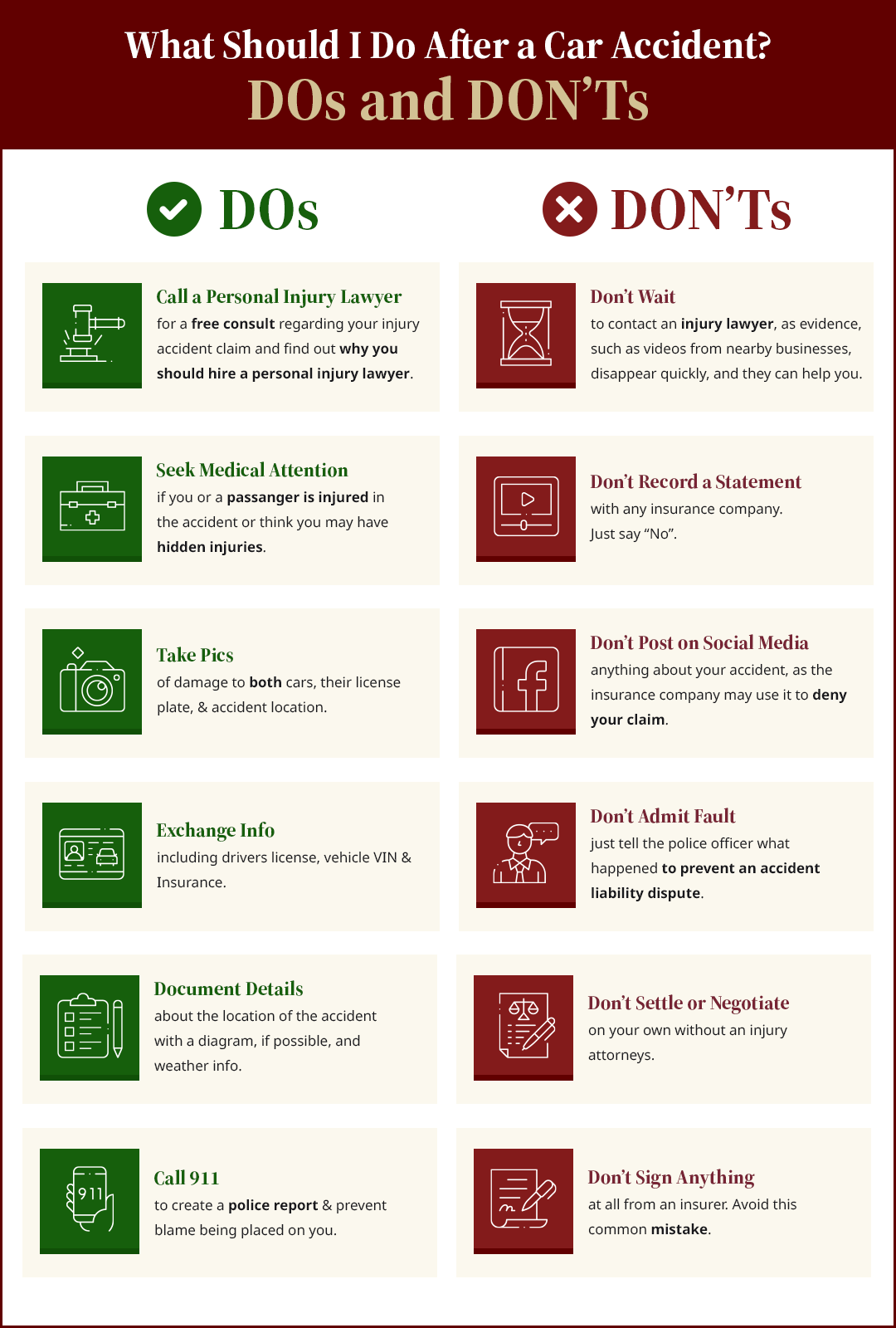
You can recover money for your injuries, lost wages, and more. The law in Texas allows folks hurt in a wreck to seek compensation when someone else is to blame.
Here’s what that might include:
Insurance companies rarely offer fair compensation without a fight. That’s why it helps to have a legal team that knows how to stand up for you-and make sure nothing is left on the table.
No Fees Unless We Win
Every state handles crashes differently. A few key laws in Texas shape how compensation works and how fault is determined. Understanding these laws is crucial to protecting your rights and ensuring fair compensation after an accident.
Texas operates under an at-fault system. What does that mean? The driver who caused the accident is also financially responsible. Unlike no-fault states, you’re not obligated to file a claim with your own insurance first. Instead, you can seek compensation directly from the at-fault driver’s insurance for your losses, including medical expenses, property damage, lost wages, and pain and suffering. This system emphasizes determining fault after an accident, so gathering evidence like photos, witness statements, and police reports is crucial.
You can still recover money if you’re partly to blame-as long as you’re not mostly to blame. Texas uses the 51 percent bar rule under the modified comparative negligence model. That means:
This system, followed by most states, ensures that plaintiffs who are primarily at fault bear the financial burden. Insurance companies often use this rule to shift blame and cut payouts. That’s why it’s so important to have someone who can push back with the right strategy.
Texas law says every driver has to carry liability insurance. The minimums are:
That’s called 30/60/25 coverage. The problem is that medical bills alone can blow past those limits in a serious crash.
Many people add on extra coverage like:
Don’t assume the other driver’s policy is enough. In more significant accidents, a good legal strategy might need to look at different coverage sources, including your own policy.
Personal Injury Protection (PIP) can help cover bills fast-no matter who caused the crash. In Texas, it’s optional but included by default unless you decline it in writing.
It can pay for:
Think of PIP as your safety net while you wait for a longer insurance battle to resolve. It offers peace of mind by addressing immediate financial needs during a challenging time.


When a large corporation or insurance company says ‘no,’ we see it as the beginning of a conversation, not the end. We will not be intimidated, and we will not rest until we have exhausted every avenue to secure the compensation you’re owed.
A Dallas car accident lawyer can handle the hard stuff while you focus on getting better. If you’re already juggling doctor visits and missed work, the last thing you need is nonstop calls from insurance adjusters.
Here’s what the team at Anderson, Cummings & Drawhorn, LLP can step in and do:
Tell your story effectively: Whether in negotiations, settlement discussions, or in court, they’ll fight for your best outcome.
Car accident victims in Texas may be eligible to recover compensation for a wide range of financial and personal losses. The goal of compensation, also known as “damages”, is to make the injured party whole again or as close to their pre-accident condition as possible. These damages fall into two main categories: economic damages, which have a clear dollar value, and non-economic damages, which account for more subjective harm. In cases involving incredibly reckless or malicious behavior, punitive damages may also be awarded as a form of punishment and deterrence.
The specific amount and type of compensation you may receive will depend on the facts of your case, the severity of your injuries, the strength of supporting evidence, and how the accident has impacted your daily life, work, and long-term health.
Property damage compensation goes beyond basic vehicle repairs. It includes the cost to restore your vehicle to its pre-accident condition or replace it entirely if it is declared a total loss. This also applies to damage to personal items inside your car during the crash, such as smartphones, laptops, prescription glasses, and children’s car seats, which often must be replaced after a collision, even if they appear intact. If the crash involved extensive damage to surrounding property, such as fences, mailboxes, or landscaping, those losses may also be compensable. Supporting this type of claim requires organized documentation, including photos of the damage, detailed repair estimates, towing and rental car receipts, and proof of ownership for affected items.
Medical costs are often the most significant and immediate concern following an accident. Injured victims may face a cascade of expenses, beginning with emergency room treatment and continuing through diagnostic imaging, surgeries, specialist consultations, physical therapy, and pain management. Compensation can also account for long-term treatment plans such as in-home care, adaptive medical equipment, and modifications to accommodate disabilities. Importantly, medical damages can include both current bills and anticipated future costs, especially when the injury is ongoing or permanent. Thorough medical records, itemized billing, and physician evaluations all play an essential role in substantiating these claims.
When injuries prevent you from working, the financial stress can compound quickly. Lost income compensation covers the wages or salary you would have earned if not for the accident-related injuries. In more serious cases, this also includes future lost earning capacity, particularly if your injuries impact your ability to return to your previous job or require you to take a lower-paying position. Freelancers, contractors, and self-employed individuals may face more complex calculations, which often require assistance from financial or vocational experts. Documentation such as prior tax returns, bank statements, and employer letters are key to validating these losses.
Pain and suffering damages acknowledge the non-financial toll an accident can take on your quality of life. This category of compensation may include physical pain, chronic discomfort, anxiety, depression, emotional distress, and the inability to engage in daily activities, hobbies, or relationships as you once did. When injuries result in long-term consequences such as disfigurement, loss of mobility, or PTSD-the value of these damages often increases significantly. While more subjective than medical bills or property damage, pain and suffering can be supported through consistent medical records, mental health evaluations, personal journals, and statements from close friends or family members.
Punitive damages are rare but powerful. Unlike other forms of compensation, which aim to reimburse the victim, punitive damages are meant to punish the wrongdoer and serve as a deterrent to others. In Texas, these damages are typically only awarded when the defendant’s conduct was especially egregious, such as driving under the influence, engaging in street racing, or knowingly operating a dangerous vehicle. Courts consider the severity of the misconduct, the harm it caused, and whether the defendant showed any remorse. Though not applicable in every case, when awarded, punitive damages can significantly increase the total compensation and send a strong message about accountability.
Don’t face big insurance companies alone. Our award-winning lawyers have recovered over $100 million for clients just like you. We’re ready to put our 50+ years of combined experience to work, fighting for the compensation you deserve.
If you have been injured in a Dallas auto accident, it’s important to have dependable legal counsel on your side.
When you feel isolated and unsure where to turn after a car accident, Anderson, Cummings & Drawhorn, LLP is here to walk you step-by-step through the litigation process so you can recover the maximum compensation available.
However, we also understand your accident is about more than financial damages and our goal is to defend your rights and fight for justice.
We have detailed knowledge of Texas’ traffic and insurance laws and often use industry professionals to help support your claim.
Contact our law firm today to learn more about your legal options and how we can help.
$842,500 Car Wreck Settlement
A mid-30s father was involved in a rear-end collision while using a ride-share service. He suffered a concussion and over the following weeks developed symptoms of a permanent neurological condition, which he was ultimately diagnosed with.
The other driver denied fault, claiming it was only a minor collision. Through our investigation, we were able to show the other driver never applied his brakes, hitting our client with significant force. Once we filed suit on the case, the insurance company claimed that our client’s neurological condition could not have been caused by the wreck. After deposing multiple doctors, we were able to show that the neurological condition can be caused by trauma. We were ultimately able to resolve the case for $842,500.
The aftermath of a crash can feel overwhelming, but you don’t have to face it alone. Backed by decades of experience and a strong record of results, Anderson, Cummings & Drawhorn, LLP stand ready to protect your rights and pursue the compensation you deserve. Call us at (817) 920-9000 for a free consultation today.
As a Fort Worth native and a double-Board Certified trial lawyer, John Cummings is dedicated to fighting for the rights of the injured. With a track record that includes record-setting verdicts and multi-million dollar settlements, he is an aggressive advocate who isn’t afraid to take on tough cases.

In Texas, you typically have two years from the date of the car accident to file a personal injury claim.
However, certain exceptions may apply, so it’s important to consult an attorney promptly to ensure your rights are protected and deadlines are met.
You should seek medical care as soon as possible, even if you believe your injuries are minor.
Some injuries may not show symptoms right away. Prompt medical treatment helps protect your health and creates documentation that supports a potential injury claim.
It’s advisable to speak with a car accident attorney before talking to the insurance company.
Insurance adjusters may attempt to reduce your compensation or use your statements against you. An attorney can protect your interests and negotiate on your behalf.
You may be entitled to compensation for:
The time it takes to settle a car accident claim varies. Simple cases may resolve in a few months, while complex claims-especially those involving serious injuries or litigation-can take much longer. Factors such as the extent of injuries, liability disputes, and the insurance company’s responsiveness all affect the timeline. An attorney can help move the process along efficiently.

This page has been written, edited, and reviewed by a team of legal writers following our comprehensive guidelines. This page was approved by attorney Seth Anderson, whose team has more than 50 years of combined legal experience in helping victims of personal injury seek justice.
Tell us about your accident and your injuries. An injury lawyer from our team will call and provide you with a free evaluation of your case. If we can help, and you are unable to travel, we will come to your home, office, or hospital. It’s easy – let’s get started.

Email us anytime and we will get back to you.

Our attorneys will come to your home, office or hospital at your convenience.

Our team is ready and waiting to help you today.
 Message Us
 Call Us
  Call us at (817) 920-9000
  Call Us At (817) 920-9000