






A brain injury can reorder every aspect of a person’s life in a matter of seconds. Medical appointments, lost wages, cognitive changes, and an uncertain road to recovery create pressure that most families are not prepared to manage alone. As an Arlington TX brain injury lawyer team, Anderson, Cummings & Drawhorn, LLP helps injured victims and their families understand their legal options and pursue compensation when another party’s negligence caused the harm. Our attorneys are prepared to evaluate your case and guide you through every step of the legal process.
Brain injury claims carry layers of complexity that set them apart from other personal injury matters. Proving long-term cognitive or neurological harm requires medical expertise, detailed documentation, and a thorough understanding of how Texas negligence law applies to the specific circumstances of each case.
Insurance carriers often minimize the severity of brain injuries during the claims process. Adjusters may dispute causation, challenge the necessity of ongoing care, or pressure victims into early settlements that fail to account for future medical needs. An experienced brain injury attorney in Arlington, TX can counter these tactics, manage communications with insurers, and build a case supported by objective medical evidence and legal analysis. Early legal involvement also protects critical evidence before it is lost or altered.
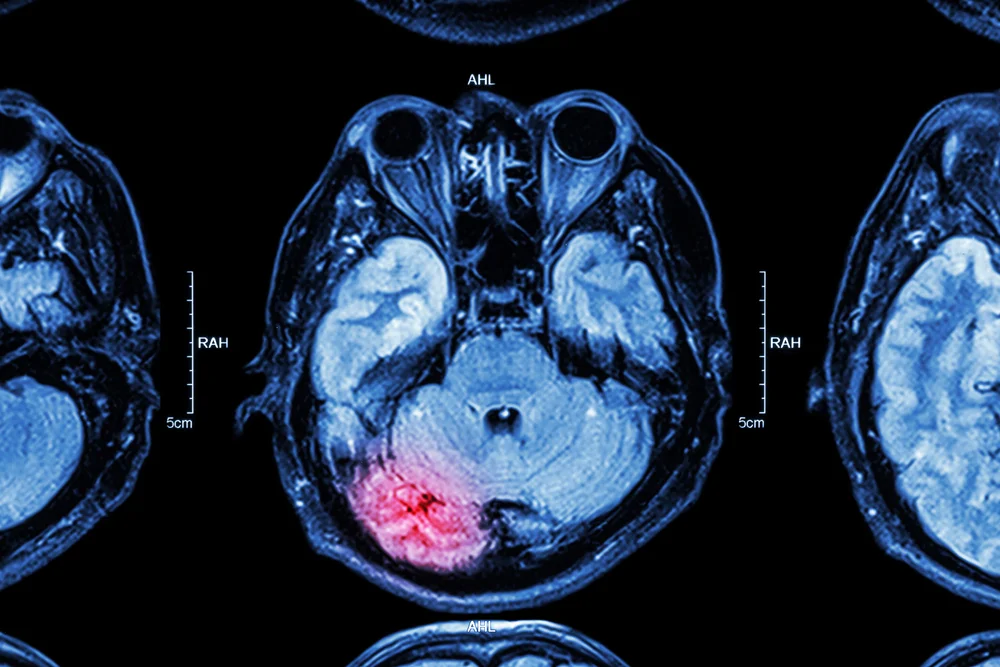
A traumatic brain injury (TBI) occurs when an external force disrupts normal brain function. The consequences range from temporary cognitive impairment to permanent disability depending on the location of the injury, the severity of impact, and how quickly treatment begins.
Long-term effects frequently include memory loss, difficulty concentrating, personality changes, chronic headaches, speech disruption, and reduced mobility. Many TBI survivors require ongoing therapy, medication management, and in-home support for years after the initial injury. Some never return to the level of function they had before the accident. These lasting consequences have a direct bearing on the compensation available under Texas law, which accounts for both current and future losses in brain injury claims.
Don’t face big insurance companies alone. Our award-winning lawyers have recovered over $100 million for clients just like you. We’re ready to put our 50+ years of combined experience to work, fighting for the compensation you deserve.
Brain injuries in Arlington arise across a wide range of accident types. Motor vehicle collisions remain among the most frequent causes, particularly on high-traffic corridors such as I-20 and Highway 360 where high-speed impacts are more likely to produce serious head trauma. Pedestrian and bicycle accidents also produce significant injury when a person is struck by a vehicle with no protective barrier.
Falls represent another leading cause, occurring in construction environments, poorly maintained properties, and retail locations where hazardous conditions go unaddressed. Workplace accidents, sports-related incidents, and acts of violence account for additional cases. Regardless of how the injury occurred, identifying the responsible party and establishing that their conduct fell below a reasonable standard of care is the foundation of every brain injury claim in Arlington.
Not all brain injuries are immediately apparent. Some symptoms emerge hours or even days after the initial impact, which is why medical evaluation following any significant head trauma deserves prompt attention.
Common indicators include persistent headaches, nausea, dizziness, blurred vision, ringing in the ears, sensitivity to light or sound, and difficulty sleeping. Cognitive symptoms such as confusion, short-term memory gaps, and slowed processing often accompany physical complaints. In more serious cases, loss of consciousness, seizures, repeated vomiting, and slurred speech may develop. Behavioral and emotional changes, including increased irritability or uncharacteristic mood shifts, may also signal underlying neurological injury. Documenting these symptoms consistently from the time of the accident strengthens the medical record and supports the legal claim.
No Fees Unless We Win
Brain injuries are classified along a spectrum that influences both medical treatment and legal strategy. A mild traumatic brain injury (MTBI), commonly called a concussion, may not require hospitalization but still causes real disruption to daily function. Moderate traumatic brain injuries (TBI) typically involve extended periods of altered consciousness and more pronounced cognitive effects. Severe traumatic brain injury (TBI) may result in prolonged unconsciousness, permanent neurological deficits, or a persistent vegetative state.
According to the National Institute of Neurological Disorders and Stroke, treatment for mild TBI focuses on symptom relief and brain rest, while severe TBI requires immediate intervention to prevent death, stabilize vital organ functions, ensure proper oxygen delivery, and prevent further brain damage. This distinction matters in legal claims because the medical trajectory, cost of care, and long-term impact differ substantially across injury classifications.
Establishing liability in a brain injury case requires structured evidence and a clear application of negligence standards. Negligence generally requires proof that a legal duty existed, the defendant breached that duty, the breach caused harm, and the plaintiff suffered damages as a result.
In Arlington brain injury cases, this translates into concrete evidence. Traffic camera footage, accident reconstruction reports, eyewitness testimony, and vehicle data often establish how a collision or incident occurred. Property inspection records and maintenance logs help demonstrate that a hazardous condition existed and went unaddressed. Medical records, imaging results, and physician opinions connect the force of impact to the diagnosed injury. Each layer of evidence reinforces causation and supports the overall strength of the claim.
More than one party can carry legal responsibility for a brain injury, and identifying all of them matters for the recovery available to the victim.
In TBI cases, liability may extend to motorists who cause collisions through reckless, impaired, or distracted driving. Property owners who allowed dangerous conditions to persist on their premises face liability when those conditions produce a fall or impact injury. Employers bear responsibility when inadequate training, missing safety equipment, or ignored protocols contribute to a workplace brain injury. Manufacturers enter the picture when a defective product, whether a vehicle component, a piece of protective gear, or industrial equipment, fails in a way that causes or worsens the harm. Determining all potentially responsible parties directly affects the total compensation available to the injured person.
Texas law permits brain injury victims to pursue compensatory damages covering both economic and noneconomic losses. Under Texas Civil Practice and Remedies Code Chapter 41, economic damages address actual financial losses, including medical expenses, rehabilitation costs, and lost earning capacity. Noneconomic damages compensate for physical pain and suffering, mental and emotional anguish, disfigurement, physical impairment, loss of companionship, and reduced enjoyment of life.
Future damages may also apply when injuries require ongoing treatment or permanently limit a person’s ability to work or care for themselves. Given the long-term nature of most serious brain injuries, calculating future losses accurately requires input from medical professionals, vocational specialists, and economic analysts. Each component of the claim must be documented carefully to support the value of recovery.
Medical care following a brain injury often extends far beyond the initial emergency response. Acute hospital treatment stabilizes the patient and addresses immediate neurological concerns. Rehabilitation follows, typically involving physical therapy, occupational therapy, speech-language pathology, and neuropsychological support depending on the functions affected by the injury.
Long-term care needs vary widely. Some patients achieve significant functional recovery with consistent rehabilitation. Others require permanent assistance with daily activities, cognitive support devices, or round-the-clock supervision. The cost of this ongoing care represents a major component of any brain injury claim. Retaining medical professionals who may project future treatment needs and associated costs strengthens the damages calculation, reflecting the financial impact of the injury.
Client Reviews


"Outstanding results! I cannot thank Anderson, Cummings & Drawhorn, LLP enough for their incredible work on my case after my vehicle accident. From day one, they were professional, communicative, and aggressive in fighting for me. They didn’t just settle for the first offer—they pushed hard to make sure I got the absolute maximum payout possible to cover my vehicle and injuries. If you want a lawyer who actually delivers and gets you the compensation you deserve, look no further. Highly recommended!"
"I had such an amazing experience with this law firm! Adam Drawhorn took the time to explain all the options available to me and made sure that I understood each step of the process. And boy is he is creative! My case was an unusual one, and he relentlessly pursued it over the long haul. I'm so happy he took my case and I would absolutely recommend him to anyone needing an ace up their sleeve!"
"Adam is approachable and down to earth; he will give it to you straight. He’s truly invested in his clients’ wellbeing and looks out for their best interests. I don’t hesitate to recommend him, especially for car wrecks and dog bites."
"Mr. Anderson as well as his entire staff handled every aspect of my case with professionalism and efficiency. They were very communicative throughout the entire process. I would highly recommend him to anyone in need of a great personal injury attorney. He fought hard to get me every dollar that I deserved."
"My wife and I were in a serious accident and she sustained serious injuries. John was recommended by a co-worker. I have never had to deal with injuries due to a car wreck and the negligence of someone else so I was in unfamiliar territory. John was very understanding and patient and took the time to meet with us anytime we had questions and Mrs. Alvarez was on top of everything and very professional. I hope and pray we never have to go through this again but if we do John will be my first call."
"I had a complicated case involving a serious on the job injury. This firm worked hard to make sure I was compensated for my injuries. They communicated consistently with me and treated me well. Grateful to have been able to work with them and have them represent me."
"I highly recommend Anderson, Cummings & Drawhorn, LLP. Unfortunately, I experienced a car accident and Anderson, Cummings & Drawhorn, LLP stepped in and handled everything. They did a fantastic job. I worked a lot with Ms. Alvarez and she was incredibly professional and helpful."
"Anderson Cummings did a wonderful job representing me after a terrible car multi-car wreck with an underinsured motorist at fault. John Cummings was very knowledgeable, professional, conscientious, detail oriented, and empathetic to what I had gone through and helped me navigate a situation that I had no experience with. Ms. Alvarez also worked with me and was very helpful with my questions and communication. I would highly recommend their practice for your legal needs."
"John Cummings and Stacy were amazing handling my personal injury case. Every interaction was friendly, professional and personalized. They kept me informed throughout the process and took the stress off me. Highly recommend!!"
"Amazing team. After my car wreck, I was stressed, hurting, and worried about how I was going to handle everything. John and Stacy stepped in and truly took the burden off of me. They handled my case efficiently, explained everything in plain English, and always made me feel like I was in good hands. Thanks to their hard work, I received a very good settlement and could finally breathe again. I’m so thankful for their compassion and their expertise. Five stars without hesitation."
View More Reviews on Google Maps.
Errors made early in the claims process may reduce compensation or jeopardize a valid case entirely. One of the most common is delaying medical treatment. Gaps between the accident and the first medical evaluation give insurers grounds to argue that the injury is unrelated to the incident or less serious than claimed.
Signing a release or accepting an early settlement offer before the full extent of the injury is understood may foreclose recovery for future medical needs. Missing the Texas statute of limitations, which requires most personal injury claims to be filed within two years of the injury date, results in permanent loss of the right to recover. Speaking with a brain injury lawyer before taking any of these steps protects the claim from the outset.
Texas follows a modified comparative fault system, which means a plaintiff’s own conduct is evaluated alongside the defendant’s when assigning responsibility. Under this framework, a brain injury victim may still recover compensation even when they bear some degree of fault for the accident, provided their share of responsibility does not exceed 50 percent. Any awarded damages are then reduced by the percentage of fault attributed to the plaintiff.
This standard has significant practical implications for brain injury claims. Defense attorneys and insurance carriers often attempt to assign partial fault to the injured party to reduce the defendant’s financial exposure. A reliable brain injury lawyer anticipates these arguments, marshals evidence that accurately reflects the distribution of fault, and works to keep the plaintiff’s assigned percentage as low as the facts support.
A brain injury changes lives quickly. Legal decisions made in the aftermath carry long-term consequences. Anderson, Cummings & Drawhorn, LLP represents Arlington brain injury victims with the preparation and focus these cases require. Call us today at (817) 920-9000 to speak with an Arlington TX brain injury lawyer about your situation and explore the compensation available under Texas law.
As a Fort Worth native and a double-Board Certified trial lawyer, John Cummings is dedicated to fighting for the rights of the injured. With a track record that includes record-setting verdicts and multi-million dollar settlements, he is an aggressive advocate who isn’t afraid to take on tough cases.

Seek emergency medical attention even if symptoms seem minor. Headaches, dizziness, or confusion can be early signs of severe trauma. Document the incident, preserve evidence, and contact an Arlington brain injury lawyer to discuss your rights.
Under the Texas Civil Practice and Remedies Code, most personal injury lawsuits must be filed within two years of the date of the accident. Exceptions exist, but missing the deadline usually bars recovery.
Victims may pursue damages for medical costs, lost wages, reduced earning capacity, pain and suffering, and loss of consortium. Punitive damages may also apply in cases of gross negligence or reckless behavior.
Brain injury claims often involve technical medical evidence and aggressive defense strategies. Having a legal team ensures that insurers cannot minimize your injuries or unfairly shift blame. Our role is to protect your rights while you focus on recovery.

This page has been written, edited, and reviewed by a team of legal writers following our comprehensive guidelines. This page was approved by attorney Seth Anderson, whose team has more than 50 years of combined legal experience in helping victims of personal injury seek justice.
Tell us about your accident and your injuries. An injury lawyer from our team will call and provide you with a free evaluation of your case. If we can help, and you are unable to travel, we will come to your home, office, or hospital. It’s easy – let’s get started.

Email us anytime and we will get back to you.

Our attorneys will come to your home, office or hospital at your convenience.

Our team is ready and waiting to help you today.
 Message Us
 Call Us
  Call us at (817) 920-9000
  Call Us At (817) 920-9000