By Anderson, Cummings & Drawhorn, LLP on December 11, 2025
Texas sees more large truck crashes than almost anywhere else, and those collisions often bring devastating outcomes that ripple through families and communities. The NHTSA’s Traffic Safety Facts: Large Trucks, released in April 2025, reported more than 5,800 fatal wrecks involving large trucks nationwide, with Texas ranking among the top states for these deadly crashes. Behind every number stands a family dealing with medical costs, emotional trauma, and uncertainty about the future. At Anderson, Cummings & Drawhorn, LLP, we help those affected in Dallas pursue fair truck accident settlements and guide them through the process of holding negligent parties accountable under Texas law.

When a truck collision happens, responsibility often spreads across multiple parties. Texas courts dig into every level of involvement, from the driver to the cargo loader, and sometimes even the manufacturer. Judges review black box data and police reports, and they often rely on accident reconstruction experts. In many cases, those records reveal missed maintenance or hours-of-service violations that explain how the crash unfolded. The Federal Motor Carrier Safety Administration sets safety standards for commercial trucking, and when companies break those rules, it can prove negligence.
If multiple parties contributed to a crash, the court assigns percentages of fault. For instance, a driver speeding through I-35 may be held responsible, but if a repair company ignored faulty brakes, they share responsibility. This layered review ensures accountability from all sides.
No Fees Unless We Win
Texas uses a system called modified comparative negligence to decide who pays what. Under Texas Civil Practice and Remedies Code §33.001, an injured person cannot collect compensation if they bear more than 50 percent of the fault.
When someone carries half or less of the blame, they may still recover damages. Imagine a $200,000 award where the injured driver carries 30 percent of the fault; the recoverable amount becomes $140,000. This rule balances fairness, holding each person accountable for their role in the crash while still allowing victims to recover meaningful compensation.
Truck cases often involve multiple defendants, so the percentages matter. A trucking company might hold 60 percent of the fault for poor maintenance, while a third-party shipper might hold 10 percent for improper loading. Understanding this distribution helps victims pursue every available source of recovery.
Economic damages represent the measurable financial losses linked directly to the crash. Courts look closely at every expense, including:
Lawyers often bring in financial specialists to estimate lifetime costs for severe or permanent injuries. The evidence may include invoices, employer documentation, and professional projections.
According to the NHTSA’s Traffic Safety Facts: Large Trucks, 2023 Data, published in April 2025, Texas recorded the highest number of large trucks involved in fatal traffic crashes, with 705 in total, and the greatest number of vehicles involved in fatal crashes overall, with 6,177. This underscores why complete compensation matters; many victims face not just hospital bills but months of lost wages and major lifestyle changes.
Some cases justify punitive damages, which aim to punish extreme recklessness. For example, a trucking company that knowingly pressures drivers to skip rest breaks or falsify maintenance logs could face additional financial penalties.
Don’t face big insurance companies alone. Our award-winning lawyers have recovered millions for clients just like you. We’re ready to put our 50+ years of combined experience to work, fighting for the compensation you deserve.
Beyond financial strain, truck crashes often leave deep emotional scars. Victims may live with daily pain, anxiety about driving, or a loss of independence. Non-economic damages exist to recognize those experiences.
Under Texas Civil Practice and Remedies Code §41.001(12), these damages include pain and suffering, emotional distress, disfigurement, and loss of companionship. They acknowledge how a serious crash changes day-to-day life, sometimes permanently.
Courts evaluate these damages using testimony from doctors, psychologists, and the injured person themselves. There is no fixed formula; instead, the court weighs the evidence to reflect how much the injury affects a person’s happiness, confidence, and relationships. While these damages do not undo the harm, they help restore balance and dignity.
$8 Million Trucking Wrongful Death Case: When the Official Crash Report Was Wrong
Two co-workers were killed while traveling together on a business trip along IH-10 in New Mexico. They were driving a rental car eastbound toward El Paso when an 18-wheeler crossed the median and struck them head-on. Both men died at the scene. The truck driver survived.
From the beginning, the case presented a serious challenge: the only surviving participant in the collision gave an account that placed all fault on the deceased driver—and that account became the basis of the New Mexico State Police crash report.
The Initial Narrative—and the Claim Denial
The truck driver told state troopers that the rental car had been traveling westbound and made an unsafe lane change in front of his semi, clipping the bumper and causing him to lose control. According to that version of events, both vehicles were then carried across the median into the eastbound lanes.
Because the two men in the rental car were killed, they could not contradict that account. The investigating officers accepted the truck driver’s explanation and cited the rental car driver for an unsafe lane change. Relying on that report, the trucking company’s insurer denied the parents’ wrongful-death claims, asserting that its driver was not at fault.
The families then turned to our firm to determine whether the official explanation was accurate.
Independent Investigation and Evidence Review
Our approach in serious trucking cases is not to rely solely on a crash report, particularly when physical evidence and common-sense questions remain unanswered. We began a comprehensive investigation that included:
As these pieces came together, it became clear that the reported crash sequence was inconsistent with the evidence. The data showed that the rental car had been traveling eastbound continuously and had not crossed the median.
Accident Reconstruction Reveals the Truth
We retained a highly qualified accident-reconstruction team to analyze the physical evidence, vehicle damage, roadway geometry, and the truck’s electronic control module (“black box”) data. Their findings established that:
In short, the truck driver’s statement to law enforcement was false.
Correcting the Record and Achieving Accountability
Once confronted with the reconstruction findings and supporting data, the defense could no longer rely on the original narrative. The case ultimately resolved for $8 million, representing the full limits of all available liability insurance covering the tractor and trailer.
For the parents, the result was not simply financial. It corrected the public record, restored their sons’ reputations, and confirmed that they were not responsible for the crash that took their lives.
Why This Case Matters
This case highlights a recurring problem in catastrophic trucking collisions: when victims are unable to speak for themselves, an initial narrative—especially one provided by a surviving commercial driver—can become entrenched, even when it is wrong.
Our firm’s role is to test those narratives against objective evidence, technical analysis, and independent investigation. In this case, doing so made the difference between a denied claim and full accountability.
Truck accident claims in Dallas require skill, patience, and a team that knows how Texas law works. At Anderson, Cummings & Drawhorn, LLP, we hold negligent drivers, trucking companies, and insurers accountable through detailed investigation and aggressive negotiation. Our firm understands how courts measure damages and when punitive awards apply, and we fight for the maximum amount available under state law.
If a trucking company’s negligence caused your injuries, reach out to our Dallas team today. We can evaluate your case, gather critical evidence, and guide you through every step of pursuing a truck accident settlement that truly reflects your losses. Call us at 817-920-9000 for a free consultation and start the process toward recovery.

This page has been written, edited, and reviewed by a team of legal writers following our comprehensive editorial guidelines. This page was approved by attorney Seth Anderson, whose team has more than 50 years of combined legal experience in helping victims of personal injury seek justice.
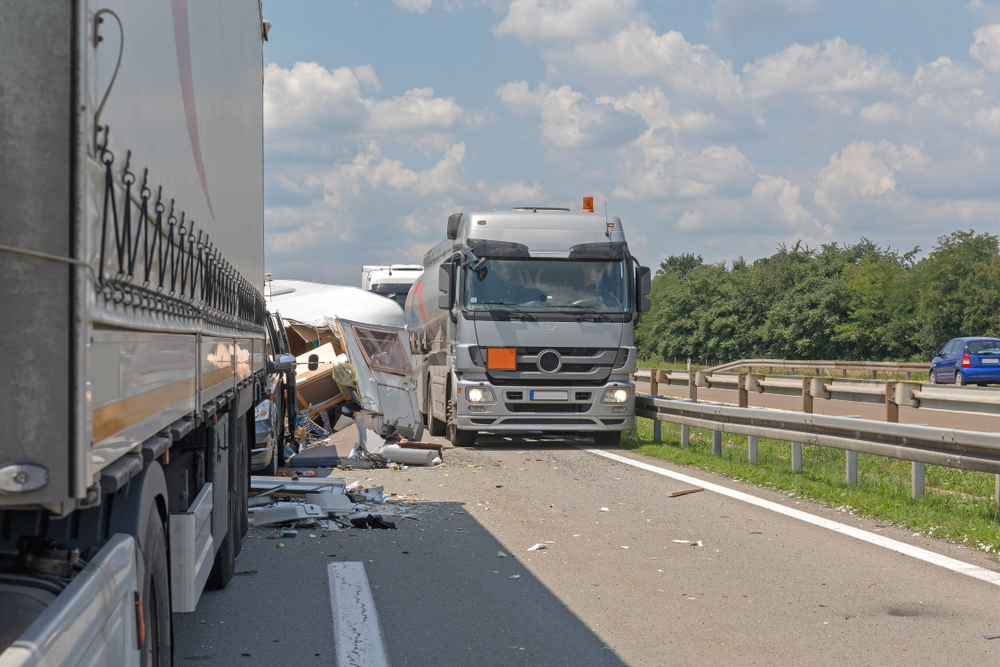
Key Takeaways Road debris includes fallen cargo and other objects that create traffic hazards. Liability usually rests with the party who caused or failed to remove the hazard, often a truck driver or company. Texas law requires vehicles to prevent loose materials from escaping....
learn more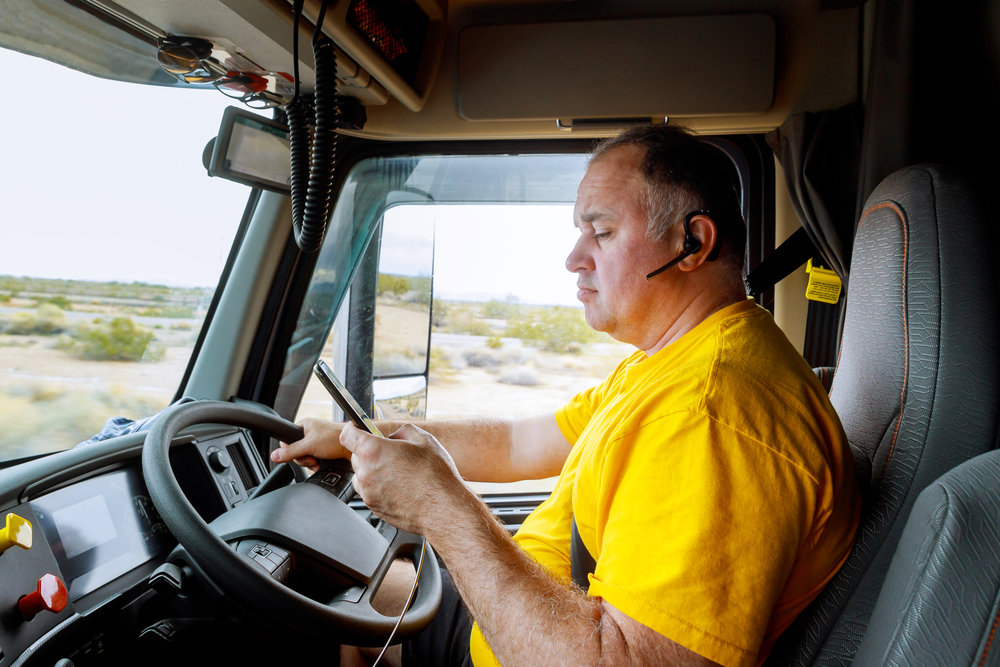
Key Takeaways Truck driver negligence occurs when a commercial driver fails to operate safely. Common causes include distraction, fatigue, impairment, speeding, and unsafe cargo loading. Federal hours-of-service rules limit driving time to reduce fatigue-related crashes. Strong evidence often includes electronic logs, black box data,...
learn more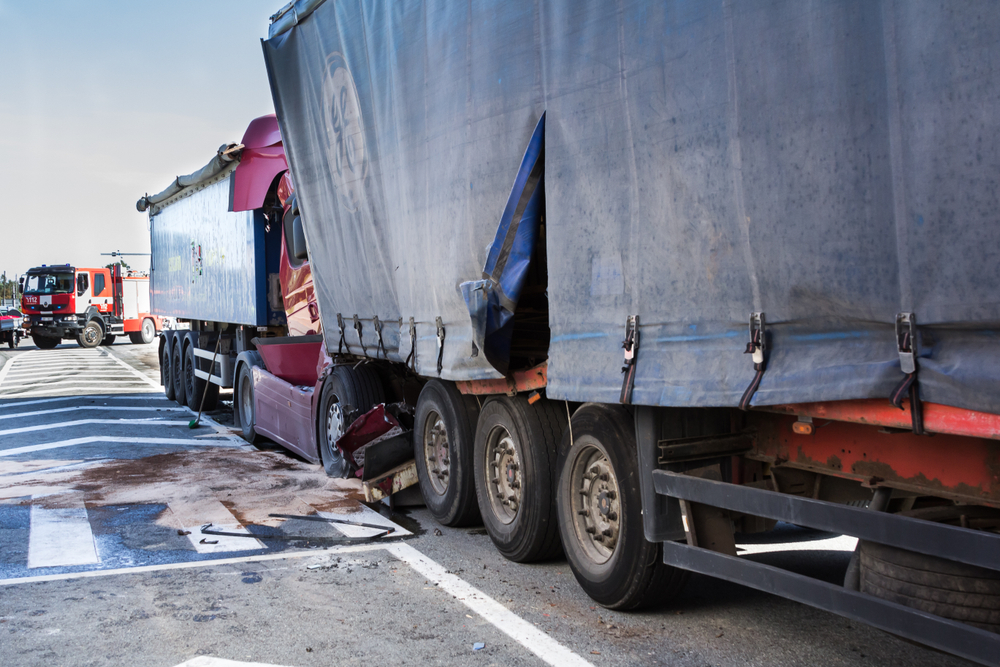
Key Takeaways Large trucks account for a small share of crashes but a high number of fatal injuries. In 2023, large truck crashes caused 5,472 deaths and over 153,000 injuries nationwide. Truck accidents involve greater force, complex evidence, and multiple liable parties. Texas allows...
learn moreTell us about your accident and your injuries. An injury lawyer from our team will call and provide you with a free evaluation of your case. If we can help, and you are unable to travel, we will come to your home, office, or hospital. It’s easy – let’s get started.

Email us anytime and we will get back to you.

Our attorneys will come to your home, office or hospital at your convenience.

Our team is ready and waiting to help you today.

 call us at (817) 920-9000


 Message Us
  Call Us