Message Us
 Call Us
 Hit and Run Consequences: Charges, Penalties, and Long-Term Effects
By Anderson, Cummings & Drawhorn, LLP on March 23, 2026
By Anderson, Cummings & Drawhorn, LLP on March 23, 2026
Car accidents across Fort Worth often bring confusion and fear, especially when someone leaves the scene. Many residents search for clear answers about hit and run consequences after a sudden collision on I-35W, Loop 820, or a neighborhood road. Texas law imposes strict duties on motorists involved in a crash, and failure to stop can lead to criminal charges, financial exposure, and lasting damage to a driver’s record. At Anderson, Cummings & Drawhorn, LLP, we analyze how Texas statutes apply to car accident cases filed in Tarrant County.
Table of Contents
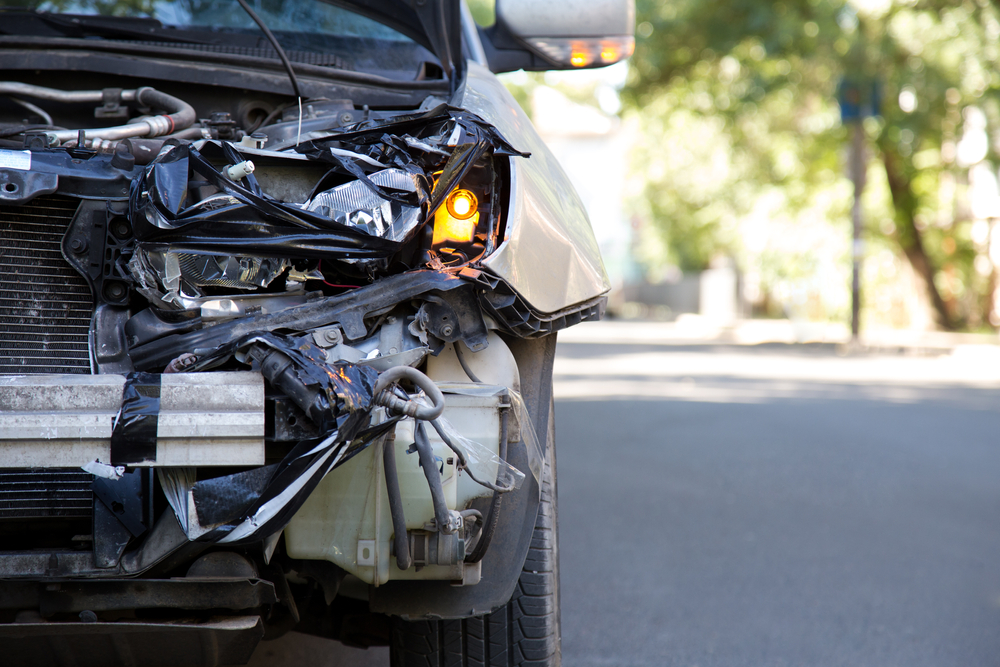
A hit and run accident occurs when a driver involved in a crash leaves the scene without stopping, providing identifying information, or fulfilling statutory duties. In Fort Worth, collisions involving only vehicle damage fall under Texas Transportation Code Section 550.022, which requires a motorist to immediately stop at the scene or as close as possible without obstructing traffic more than necessary.
A hit and run accident may involve damage to an attended vehicle or injuries to a driver, passenger, cyclist, or pedestrian. The severity of the car accident often determines whether prosecutors pursue misdemeanor or felony charges.
Texas classifies leaving the scene according to the extent of damage or injury. For property damage only, Section 550.022 establishes misdemeanor categories. A Class C misdemeanor applies when total damage remains under $200. Damage of 200 dollars or more raises the charge to a Class B misdemeanor.
When a car accident causes bodily injury, charges escalate. Prosecutors may pursue felony allegations if a driver leaves the scene involving serious injury or death. Tarrant County authorities review police reports, witness accounts, and available video before filing formal charges.
Drivers sometimes argue confusion or fear prompted departure. Law enforcement examines physical evidence such as vehicle debris, visible damage, or airbag deployment to determine whether a reasonable person would have known a collision occurred.
Criminal exposure may include fines, jail time, probation, or court supervision. Judges consider prior record and surrounding facts when imposing a sentence.
No Fees Unless We Win
Penalties depend on crash severity. Property damage cases may result in fines and possible confinement in county jail for misdemeanor convictions. Class B misdemeanors carry greater exposure than Class C offenses.
When injuries occur, felony consequences may arise. Prison sentences may extend for years, and fines can reach thousands of dollars. A felony conviction remains on a criminal record and may affect employment and housing opportunities.
Civil liability often follows criminal proceedings. An injured driver may pursue compensation for medical expenses, lost income, pain, and vehicle repairs. Civil courts evaluate negligence separately from criminal courts. Even without a conviction, civil exposure can arise from the same car accident.
The outcome depends heavily on whether the crash involved property damage alone or physical injury.
A misdemeanor record can surface during background checks conducted by employers, landlords, and professional licensing boards. A felony record carries even heavier consequences, including limits on certain civil rights and long-term reputational harm.
Courts often impose probation with conditions such as community service, regular reporting, or counseling programs. Failure to comply may result in further penalties. Commercial drivers face added exposure, since a conviction can threaten commercial driver license status and steady income.
Courts may order restitution for vehicle repairs or medical expenses. Additionally, drivers often face higher insurance premiums and legal costs, increasing overall financial strain. Hit and run consequences may follow a driver long after court supervision ends.
No Fees Unless We Win
A conviction affects a driver’s record maintained by the Texas Department of Public Safety. Insurance carriers review driving history when calculating premiums. According to the Texas Department of Insurance, companies use underwriting factors such as driving records and claims history when determining rates, and drivers with accidents or tickets often pay more.
Insurance providers may raise premiums substantially after a conviction, and some carriers may decline renewal. High-risk policies typically carry elevated monthly costs and limited coverage options.
Courts may also impose license suspension in certain cases. Restricted occupational licenses may remain available under limited circumstances. For many Fort Worth residents, hit and run consequences affect both legal standing and long-term financial stability.
Allegations after a Fort Worth car accident require prompt, informed action. Anderson, Cummings & Drawhorn, LLP reviews police reports, evaluates statutory elements, and develops strategies tailored to Tarrant County courts. Call our Fort Worth car accident attorneys at 817-920-9000 to discuss your situation and protect your record, driving privileges, and financial future.
As a Fort Worth native and a double-Board Certified trial lawyer, John Cummings is dedicated to fighting for the rights of the injured. With a track record that includes record-setting verdicts and multi-million dollar settlements, he is an aggressive advocate who isn’t afraid to take on tough cases.


This page has been written, edited, and reviewed by a team of legal writers following our comprehensive guidelines. This page was approved by attorney Seth Anderson, whose team has more than 50 years of combined legal experience in helping victims of personal injury seek justice.

After a Fort Worth oilfield accident, you may be able to sue the contractor, the operator, or another company. Still, liability depends on who controlled the work, who created the dangerous condition, and whose conduct caused your injury. At Anderson, Cummings & Drawhorn, we know how complex oilfield accidents can...
Read Article
Grocery store slip and fall accidents are more serious than people think because they can cause serious injuries that may seem negligible at first. A sudden fall onto a hard floor can damage your head, spine, hips, joints, and other parts of your body, even when the fall initially looks...
Read Article
Multi-vehicle highway accidents in Fort Worth can cause serious injuries such as traumatic brain injuries, broken bones, spinal injuries, internal injuries, and severe soft tissue damage. You can be struck more than once as vehicles collide, increasing the force placed on the body. These crashes can occur on major highways...
Read ArticleTell us about your accident and your injuries. An injury lawyer from our team will call and provide you with a free evaluation of your case. If we can help, and you are unable to travel, we will come to your home, office, or hospital. It’s easy – let’s get started.

Email us anytime and we will get back to you.

Our attorneys will come to your home, office or hospital at your convenience.

Our team is ready and waiting to help you today.
 Call Us At (817) 920-9000