Message Us
 Call Us
 What Happens If Someone Else Is Driving My Car And Gets In An Accident?
By Anderson, Cummings & Drawhorn, LLP on January 26, 2026
By Anderson, Cummings & Drawhorn, LLP on January 26, 2026
Car accidents already feel overwhelming, and uncertainty often increases when a friend or family member drives your vehicle at the time of the crash. At Anderson, Cummings & Drawhorn, LLP, we regularly hear one pressing concern after these situations: what happens if someone else is driving my car and gets in an accident? Many drivers assume coverage questions have simple answers, only to face unexpected complications. Confusion over insurance responsibility can quickly turn a stressful car accident into a costly situation. Understanding how coverage typically works helps drivers approach these claims with greater confidence.
Table of Contents
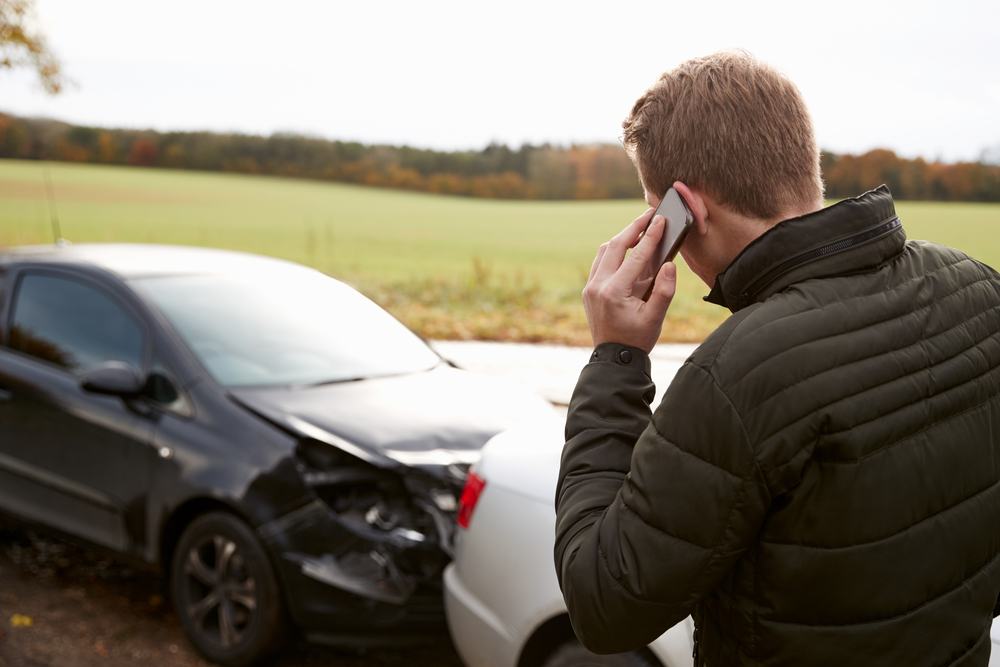
Texas auto insurance usually follows the vehicle, not the driver. When a permitted driver causes a crash while operating your vehicle, your auto insurance generally serves as the primary coverage. The claim appears on your policy, rates may increase, and financial responsibility can extend beyond policy limits. In certain situations, the driver’s insurance may provide secondary coverage. Prompt accident reporting remains critical, regardless of who held the keys.
Most Texas policies extend coverage to the vehicle owner, household members, and people who drive with permission. According to the Texas Department of Insurance, drivers should review policy terms carefully to confirm who qualifies as an insured party and whether exclusions apply, especially for frequent borrowers or excluded drivers.
No Fees Unless We Win
Texas law sets clear minimum coverage requirements, but those limits often disappear fast after a serious car accident . Liability coverage pays to repair the other driver’s vehicle and covers medical expenses for injured drivers or passengers when fault falls on the insured vehicle. Texas requires at least $30,000 per injured person, $60,000 per accident, and $25,000 for property damage, commonly called 30/60/25 coverage. Multi-vehicle crashes or totaled cars can exceed those limits quickly, leaving personal assets exposed.
Medical payments coverage helps pay medical bills for the policyholder and passengers, even when injuries happen in another vehicle or while walking or biking. Personal injury protection expands this protection by covering lost income and other nonmedical costs, and Texas policies include PIP unless rejected in writing. Uninsured and underinsured motorist coverage applies when another driver lacks sufficient insurance or leaves the scene. Rental reimbursement coverage can help cover transportation costs while repairs are underway.
A driver’s policy can step in under specific circumstances. Secondary coverage may apply when damages exceed the vehicle owner’s policy limits or when vehicle use goes beyond ordinary permission. This often comes into play when the driver carries higher liability limits, umbrella coverage, or additional protections not available under the owner’s policy. Financial responsibility can shift quickly once losses surpass primary coverage, especially after serious injuries or extensive vehicle damage.
Insurance companies closely analyze how and why the vehicle was used, along with any restrictions listed in both policies. Courts also review permission, purpose, and policy language together to decide which insurer pays first and whether shared responsibility applies. These evaluations often determine how much compensation remains available after a borrowed-vehicle car accident.
No Fees Unless We Win
Insurance companies may deny coverage in certain situations. Coverage problems often surface after car accidents involving excluded drivers, unauthorized vehicle use, commercial activity, or impaired driving. Some policies restrict coverage for rideshare driving or frequent borrowers. When an insurer refuses coverage, financial responsibility can shift quickly and unexpectedly. Repair costs, medical bills, and legal exposure may land directly on the vehicle owner or driver, turning a manageable claim into a serious financial setback.
$842,500 Car Wreck Settlement
A mid-30s father was involved in a rear-end collision while using a ride-share service. He suffered a concussion and over the following weeks developed symptoms of a permanent neurological condition, which he was ultimately diagnosed with.
The other driver denied fault, claiming it was only a minor collision. Through our investigation, we were able to show the other driver never applied his brakes, hitting our client with significant force. Once we filed suit on the case, the insurance company claimed that our client’s neurological condition could not have been caused by the wreck. After deposing multiple doctors, we were able to show that the neurological condition can be caused by trauma. We were ultimately able to resolve the case for $842,500.
Quick action after a borrowed-vehicle car accident influences how insurers assess responsibility and coverage. Early decisions help preserve evidence, clarify fault, and limit financial exposure as liability questions unfold.
Car accidents involving borrowed vehicles often trigger complex insurance and liability issues. At Anderson, Cummings & Drawhorn, LLP, our Texas trial lawyers understand how insurers evaluate responsibility after these crashes. If questions about coverage or next steps remain, call 817-920-9000 to discuss your situation.
As a Fort Worth native and a double-Board Certified trial lawyer, John Cummings is dedicated to fighting for the rights of the injured. With a track record that includes record-setting verdicts and multi-million dollar settlements, he is an aggressive advocate who isn’t afraid to take on tough cases.


This page has been written, edited, and reviewed by a team of legal writers following our comprehensive guidelines. This page was approved by attorney Seth Anderson, whose team has more than 50 years of combined legal experience in helping victims of personal injury seek justice.

After a Fort Worth oilfield accident, you may be able to sue the contractor, the operator, or another company. Still, liability depends on who controlled the work, who created the dangerous condition, and whose conduct caused your injury. At Anderson, Cummings & Drawhorn, we know how complex oilfield accidents can...
Read Article
Grocery store slip and fall accidents are more serious than people think because they can cause serious injuries that may seem negligible at first. A sudden fall onto a hard floor can damage your head, spine, hips, joints, and other parts of your body, even when the fall initially looks...
Read Article
Multi-vehicle highway accidents in Fort Worth can cause serious injuries such as traumatic brain injuries, broken bones, spinal injuries, internal injuries, and severe soft tissue damage. You can be struck more than once as vehicles collide, increasing the force placed on the body. These crashes can occur on major highways...
Read ArticleTell us about your accident and your injuries. An injury lawyer from our team will call and provide you with a free evaluation of your case. If we can help, and you are unable to travel, we will come to your home, office, or hospital. It’s easy – let’s get started.

Email us anytime and we will get back to you.

Our attorneys will come to your home, office or hospital at your convenience.

Our team is ready and waiting to help you today.
 Call Us At (817) 920-9000