Message Us
 Call Us
 Increases in Fatalities from Crashes with Teenage Drivers
By Anderson, Cummings & Drawhorn, LLP on November 01, 2016
By Anderson, Cummings & Drawhorn, LLP on November 01, 2016
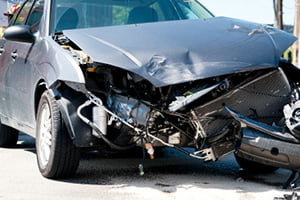
According to a new report from the Governors Highway Safety Association (GHSA), 2015 saw a 10 percent increase in traffic fatalities from car crashes involving teenage drivers.
That is the first increase in deaths from these types of accidents in almost a decade, as fatalities decreased by more than 50 percent from 2005 to 2014.
However, the decrease in fatalities was significantly less for teenage drivers between the ages of 18 and 20 than it was for teenage drivers between ages 15 and 17.
That is why policy makers need to make sure that all drivers under age 21 have access to programs that have been shown to improve driving safety, according to Jonathan Adkins, executive director of the GHSA.
One such program that exists in every state is Graduated Driver Licensing (GDL). These programs place limits on the times teenagers can drive and they have been shown to reduce the risk of crashes by 30 percent in some cases.
Unfortunately, most of these programs end by the time teenagers turn 18 and approximately one in three teenagers do not obtain driver’s licenses by the time they turn 18.
That is why the GHSA report advises policy makers to extend GDL programs to age 21 so that older teenagers receive the benefit of a three-stage licensing system that can help make them safer drivers.
The GHSA report, titled Mission Not Accomplished: Teen Safe Driving, the Next Chapter, examined statistics from the National Highway Traffic Safety Administration’s Fatality Analysis Reporting System.
If you lost a loved one in a fatal car accident, contact a Fort Worth auto accident lawyer at Anderson, Cummings & Drawhorn, LLP for a free consultation. You could be entitled to compensation for medical bills, pain and suffering, and other damages.
Contact a Fort Worth personal injury lawyer today by calling (817) 920-9000.

This page has been written, edited, and reviewed by a team of legal writers following our comprehensive guidelines. This page was approved by attorney Seth Anderson, whose team has more than 50 years of combined legal experience in helping victims of personal injury seek justice.

After a Fort Worth oilfield accident, you may be able to sue the contractor, the operator, or another company. Still, liability depends on who controlled the work, who created the dangerous condition, and whose conduct caused your injury. At Anderson, Cummings & Drawhorn, we know how complex oilfield accidents can...
Read Article
Grocery store slip and fall accidents are more serious than people think because they can cause serious injuries that may seem negligible at first. A sudden fall onto a hard floor can damage your head, spine, hips, joints, and other parts of your body, even when the fall initially looks...
Read Article
Multi-vehicle highway accidents in Fort Worth can cause serious injuries such as traumatic brain injuries, broken bones, spinal injuries, internal injuries, and severe soft tissue damage. You can be struck more than once as vehicles collide, increasing the force placed on the body. These crashes can occur on major highways...
Read ArticleTell us about your accident and your injuries. An injury lawyer from our team will call and provide you with a free evaluation of your case. If we can help, and you are unable to travel, we will come to your home, office, or hospital. It’s easy – let’s get started.

Email us anytime and we will get back to you.

Our attorneys will come to your home, office or hospital at your convenience.

Our team is ready and waiting to help you today.