Message Us
 Call Us
 Trulicity Lawsuit: What Plaintiffs Are Claiming and How Compensation Works
By Anderson, Cummings & Drawhorn, LLP on April 18, 2026
By Anderson, Cummings & Drawhorn, LLP on April 18, 2026
Patients across the country have started reviewing legal options after serious complications linked to diabetes medications. A growing number of claims now center on the Trulicity lawsuit, where individuals report lasting digestive injuries and other medical concerns following use of this drug. At Anderson, Cummings & Drawhorn, LLP, we evaluate how product liability law applies when pharmaceutical companies place medications on the market without fully addressing known safety risks or warning patients and physicians with sufficient clarity.
Table of Contents
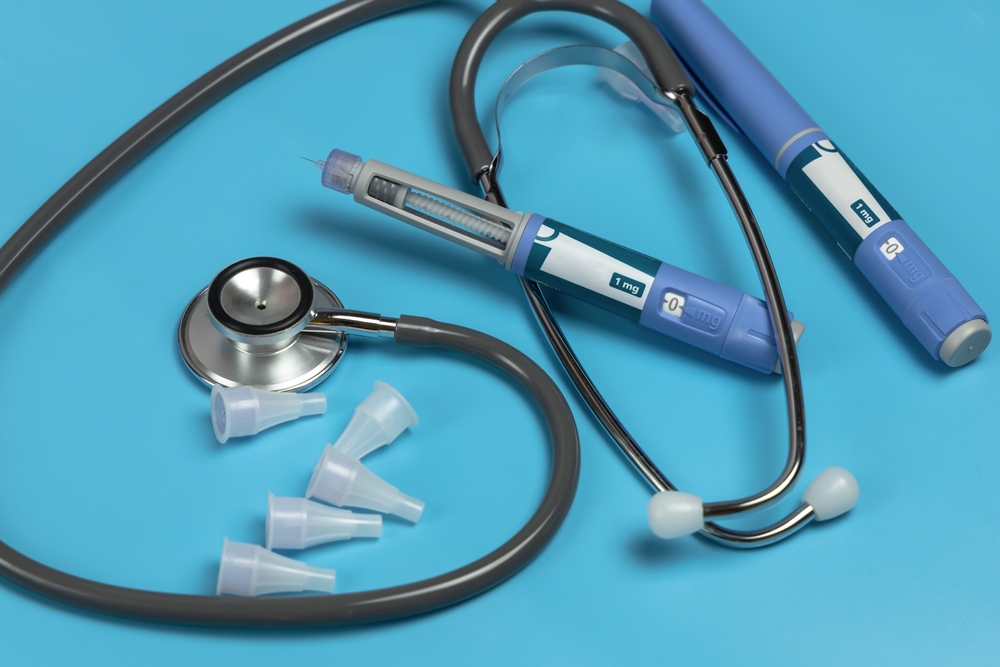
The Trulicity lawsuit refers to a group of product liability claims filed against the manufacturer of dulaglutide, a drug used to treat type 2 diabetes. Plaintiffs argue the company distributed this medication without providing clear, complete warnings to patients and physicians about serious gastrointestinal risks and other potential long-term complications linked to the drug. These claims often focus on whether labeling and safety disclosures allowed patients and physicians to make informed decisions.
Eligibility depends on proof of use and a diagnosed injury linked to the medication. Individuals who developed digestive disorders, required hospitalization, or experienced gastrointestinal damage or ongoing digestive issues may qualify. Medical records, prescription history, and physician evaluations often support these claims. Cases may involve failure to warn, defective design, or negligence.
No Fees Unless We Win
Claims tied to this medication frequently reference severe gastrointestinal complications. Plaintiffs describe conditions involving delayed stomach emptying, intestinal obstruction, and chronic digestive distress. Many cases also examine whether symptoms progressed into long-term or permanent medical conditions.
Medical literature has raised concerns about additional risks. According to the Mayo Clinic’s drug profile for dulaglutide, patients may face potential thyroid tumors, pancreatitis, and other serious reactions involving abdominal pain, nausea, or swelling. These complications often form the medical foundation of injury claims.
Litigation filings often argue the manufacturer did not provide adequate notice about the severity or persistence of these risks. Plaintiffs contend clearer warnings could have influenced prescribing decisions or patient consent.
Federal courts have started consolidating similar claims involving GLP-1 receptor agonist medications into multidistrict litigation. This process allows courts to manage pretrial proceedings more efficiently when many cases share similar factual questions.
The Judicial Panel on Multidistrict Litigation identified claims involving medications such as Trulicity as part of a broader group of cases involving GLP-1 drugs. These actions involve allegations of gastrointestinal injuries, including gastroparesis, ileus, and intestinal obstruction, all linked to medications designed to slow gastric emptying.
Centralization does not merge individual claims into one lawsuit. Each plaintiff maintains a separate case while benefiting from coordinated discovery, shared evidence development, and consistent rulings on common legal issues. This structure often speeds up early phases of litigation and may influence settlement discussions.
No Fees Unless We Win
A strong product liability claim relies on clear documentation connecting medication use to injury. Medical records serve as the foundation, showing diagnosis, treatment history, and progression of symptoms. Prescription records help establish duration and dosage of the medication.
Physicians’ opinions often play a major role in linking the drug to the injury. Treating doctors or independent professionals may evaluate whether the medication likely contributed to the condition. Diagnostic imaging, lab results, and surgical reports can further support the claim.
Personal records also matter. Journals documenting symptoms, missed work, and daily limitations can illustrate how the injury affected daily life. In many cases, plaintiffs must show the manufacturer knew or should have known about risks and failed to communicate them clearly.
Patients harmed by prescription weight loss medications deserve clear guidance and strong advocacy. Anderson, Cummings & Drawhorn, LLP represents individuals nationwide pursuing product liability claims involving GLP-1 drugs.
Compensation in a Trulicity lawsuit typically reflects both financial losses and personal harm. Medical expenses often form a significant portion, including hospital stays, procedures, medications, and ongoing care. Future treatment costs may also factor into recovery when conditions persist.
Lost income may apply when injuries prevent continued employment or reduce earning ability. Some plaintiffs also pursue damages for pain, physical discomfort, and changes in daily life caused by long-term complications.
Courts may also examine whether the manufacturer’s conduct supports additional damages tied to failure to provide adequate warnings. Each claim depends on medical evidence, injury severity, and how clearly liability can be established.
Questions about a Trulicity lawsuit often begin after medical complications disrupt daily routines and raise concerns about long-term health. At Anderson, Cummings & Drawhorn, LLP, we review medical history, evaluate liability under product liability law, and outline potential recovery paths based on available evidence. Call us at 817-920-9000 to discuss your situation and learn how a claim may move forward.


When a large corporation or insurance company says ‘no,’ we see it as the beginning of a conversation, not the end. We will not be intimidated, and we will not rest until we have exhausted every avenue to secure the compensation you’re owed.

This page has been written, edited, and reviewed by a team of legal writers following our comprehensive guidelines. This page was approved by attorney Seth Anderson, whose team has more than 50 years of combined legal experience in helping victims of personal injury seek justice.

Slip-and-Fall accidents in Fort Worth businesses are not only common but also often surprisingly serious. Fort Worth is growing rapidly in terms of both population and economic growth, and some businesses cut safety corners in their rush to keep up. If you’ve been injured in a slip-and-fall accident as a...
Read Article
There are a few industries that are more dangerous than oilfields, but some oilfield jobs are more dangerous than others. The Bartlett Shale is directly underneath Fort Worth and the surrounding area, and this translates to oilfield jobs. If you’ve been injured on the job while working in an oilfield,...
Read Article
No one needs to explain to you just how dangerous oil rig explosions are. These life-threatening accidents are not only exceptionally dangerous but are also challenging legal matters. If you or someone you care about was injured in an oil rig explosion, reach out to our experienced Fort Worth oil...
Read ArticleTell us about your accident and your injuries. An injury lawyer from our team will call and provide you with a free evaluation of your case. If we can help, and you are unable to travel, we will come to your home, office, or hospital. It’s easy – let’s get started.

Email us anytime and we will get back to you.

Our attorneys will come to your home, office or hospital at your convenience.

Our team is ready and waiting to help you today.
 Call Us At (817) 920-9000