Message Us
 Call Us
 Stomach Paralysis Ozempic Symptoms and Potential Legal Claims
By Anderson, Cummings & Drawhorn, LLP on April 28, 2026
By Anderson, Cummings & Drawhorn, LLP on April 28, 2026
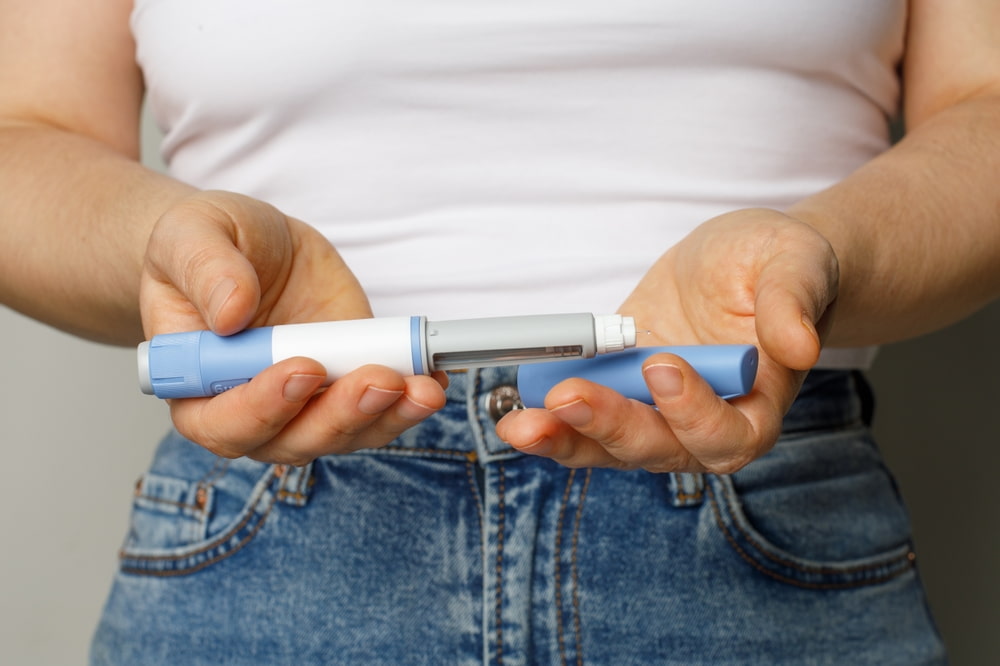
Digestive complications linked to diabetes medications continue drawing attention across the United States. Patients using medications containing semaglutide, including Ozempic, sometimes report persistent gastrointestinal problems requiring medical treatment and lifestyle changes. Individuals researching stomach paralysis Ozempic symptoms want reliable explanations about potential health risks and legal options. Our team at Anderson, Cummings & Drawhorn evaluates product liability claims involving prescription medications when pharmaceutical products cause serious digestive injuries.
Table of Contents
Gastroparesis describes a disorder where stomach muscles slow or stop moving food through the digestive tract. Healthy digestion relies on coordinated stomach contractions that push partially digested food toward the small intestine.
When stomach motility slows, food remains in the stomach far longer than normal. Delayed emptying often leads to nausea, vomiting, abdominal pressure, and difficulty finishing meals. Some individuals experience dehydration, malnutrition, or weight loss when symptoms persist.
Semaglutide medications such as Ozempic affect hormones that regulate blood sugar and digestion. In some patients, the drug slows stomach emptying beyond its intended purpose. Food may remain trapped in the stomach, causing prolonged discomfort and digestive disruption. Some patients researching complications also explore Ozempic injury claims.
No Fees Unless We Win
Patients often describe stomach paralysis Ozempic symptoms as digestive problems beginning after starting Ozempic or similar medications. Many report constant nausea and repeated vomiting, sometimes occurring hours after a meal. Abdominal pain, bloating, and discomfort frequently follow.
Another common complaint involves early satiety. A person may feel full after only a few bites of food. Constipation, irregular digestion, and unexpected weight loss can also develop as stomach movement slows.
In more severe cases, food remains in the stomach for long periods. Vomiting undigested food several hours after eating may occur. Ongoing digestive disruption can affect nutrition and daily routines, and some patients require medical care for dehydration caused by frequent vomiting.
Ozempic belongs to a class of medications called GLP-1 receptor agonists. These drugs mimic hormones that regulate insulin release and appetite. One effect of semaglutide involves slowing stomach emptying, which helps control blood sugar after meals.
In some patients, this effect may slow gastric motility too much. Disrupted signals between the digestive system and nervous system can weaken stomach contractions, preventing food from moving normally through the digestive tract.
Some patients report severe gastrointestinal distress requiring hospitalization or medication discontinuation. Federal safety monitoring continues as regulators review reports linked to GLP-1 medications. The U.S. Food and Drug Administration maintains a national system documenting medication side effects reported by clinicians and patients.
Digestive discomfort sometimes occurs during early diabetes treatment. Persistent vomiting, severe abdominal pain, or inability to tolerate food may indicate a more serious condition.
Long-term gastroparesis can lead to dehydration, electrolyte imbalance, and nutritional deficiencies. Frequent vomiting also increases the likelihood of hospital visits and significant weight loss.
Delayed stomach emptying creates additional complications for diabetes management. Food absorbed hours later may produce unpredictable blood sugar levels.
Medical evaluation becomes important when symptoms worsen or continue for several weeks. Early diagnosis helps physicians identify digestive dysfunction and begin appropriate treatment.
Patients harmed by prescription weight loss medications deserve clear guidance and strong advocacy. Anderson, Cummings & Drawhorn, LLP represents individuals nationwide pursuing product liability claims involving GLP-1 drugs.
Physicians rely on several diagnostic tools when evaluating suspected gastroparesis. Gastric emptying studies remain one of the most commonly used tests.
During this study, a patient consumes a meal containing a minimal amount of radioactive material. Imaging equipment tracks how quickly food moves through the stomach. Delayed emptying often confirms impaired gastric motility.
Doctors may also perform endoscopy procedures to rule out structural abnormalities or obstructions. Blood tests, imaging scans, and patient symptom history assist clinicians in confirming a diagnosis.
Medical documentation involving prescriptions, treatment records, and diagnostic results often becomes important when medication side effects contribute to digestive injuries.
Drug manufacturers must warn physicians and patients about significant medication risks discovered during testing or post-market safety monitoring. Product liability law allows injured individuals to pursue claims when pharmaceutical products cause preventable harm.
Failure-to-warn allegations arise when manufacturers do not disclose serious side effects linked to medication use. Design defect claims may also arise when a drug’s formulation presents unreasonable health risks.
Individuals researching stomach paralysis Ozempic symptoms sometimes pursue legal review when prolonged illness appears connected to medication use. Product liability investigations often involve medical documentation, safety reports, and testimony from healthcare professionals evaluating pharmaceutical safety disclosures.
Severe digestive injuries associated with prescription medications can lead to ongoing medical care, financial strain, and long-term health complications. Anderson, Cummings & Drawhorn reviews nationwide product liability claims involving Ozempic and similar medications linked to gastroparesis. Call us at 817-920-9000 to review your Ozempic injury claim. Request a Free Case Evaluation.
As a Fort Worth native and a double-Board Certified trial lawyer, John Cummings is dedicated to fighting for the rights of the injured. With a track record that includes record-setting verdicts and multi-million dollar settlements, he is an aggressive advocate who isn’t afraid to take on tough cases.


This page has been written, edited, and reviewed by a team of legal writers following our comprehensive guidelines. This page was approved by attorney Seth Anderson, whose team has more than 50 years of combined legal experience in helping victims of personal injury seek justice.

Older adults face higher risks after slip and fall accidents because aging bones, slower reflexes, and existing conditions turn a routine fall into a fracture and hospitalization. An impact a younger person shrugs off can start a downward spiral, which is what makes these slip and fall accidents so consequential....
Read Article
Delaying medical treatment after an accident gives insurers an opportunity to argue that your injuries were minor or caused by something else. Because Texas juries place significant weight on medical records, gaps in treatment can weaken an otherwise strong personal injury claim. What Does an Insurer Do With a Gap...
Read Article
Lack of safety gear leads to catastrophic ATV injuries because an all-terrain vehicle offers no cab, no restraint, and no crumple zone, so the rider’s body absorbs the entire crash. Helmets, eye protection, boots, and padding are the only barriers between a rollover and permanent personal injuries. What Does Protective...
Read ArticleTell us about your accident and your injuries. An injury lawyer from our team will call and provide you with a free evaluation of your case. If we can help, and you are unable to travel, we will come to your home, office, or hospital. It’s easy – let’s get started.

Email us anytime and we will get back to you.

Our attorneys will come to your home, office or hospital at your convenience.

Our team is ready and waiting to help you today.
 Call Us At (817) 920-9000
 Call Us At (817) 920-9000