Message Us
 Call Us
 Who Could Be Liable for a U-Turn Crash in Fort Worth?
By Anderson, Cummings & Drawhorn, LLP on August 18, 2023
By Anderson, Cummings & Drawhorn, LLP on August 18, 2023

U-turns are a common but tricky driving maneuver that can result in an unexpected accident. This is particularly true on busy roads or in densely populated areas like Fort Worth. Regardless of where these accidents may happen, however, there are a lot of factors that make determining liability for a U-turn crash complex.
Table of Contents
At Anderson, Cummings & Drawhorn, LLP, we have managed many types of crashes over decades of representing injured victims and have a history of proven results. Below, we discuss the legality and common causes of U-turn crashes, as well as who may be liable for your damages.
If you were injured in a U-turn crash in the Fort Worth area, we are ready to help.
Request your FREE case review today. (817) 920-9000
A U-turn involves a driver making a 180-degree turn to travel in the opposite direction. While U-turns are generally legal in Texas, there are specific guidelines you need to follow.
According to Texas Transportation Code §545.101, U-turns are only allowed when they can be made safely and without disrupting other traffic.
Even when drivers take the appropriate precautions, U-turns carry inherent risks. The drivers making the turn may have limited visibility and they could get hit from oncoming traffic. Drivers turning right may not notice a U-turning driver or may be distracted by something else.
There are many things that could contribute to or cause a U-turn crash to occur. However, the most common factors include:
The primary factor in U-turn accidents is often driver negligence, such as failing to check for oncoming traffic. Other negligent actions of U-turning drivers often include:
Proper road signage and infrastructure are critical in preventing U-turn accidents. Inadequate signs warning against making U-turns at specific intersections or poorly designed road layouts can make a U-turn crash more likely. While harder to prove, local authorities may share some liability. For instance, if there is evidence they knew a road was unsafe and failed to take appropriate measures to ensure road safety.
At times U-turn accidents may involve multiple vehicles. A driver trying to make a U-turn, for instance, could trigger a chain reaction collision. Determining liability for a multi-vehicle crash is extremely difficult. Having an attorney on your side in this situation ensures your rights and legal interests are protected.
At Anderson and Cummings, our Fort Worth auto accident attorneys have been representing crash victims for decades. No matter what type of crash has caused you harm, we know what evidence is required to build a solid claim and how to get it.
U-turn accidents involving commercial vehicles are the most complex. They may also have the most severe consequences because of their size, weight and inability to maneuver quickly. If a commercial driver’s U-turn attempt leads to an accident, there may be multiple parties who share responsibility, including:
Distracted driving remains a major concern. If a driver trying to do a U-turn gets distracted by their phone or something else, it could cause or contribute to an accident. According to Texas Transportation Code §545.424, drivers are permitted from using handheld devices while driving in certain areas, such as a school crossing zone. Even if it is not prohibited, drivers owe a legal duty to not engage in activities that could end up causing harm to others.
Liability for a U-turn crash is typically the fault of the driver attempting to make the turn. For instance, if a U-turning driver tried to floor the accelerator to beat oncoming traffic, oncoming vehicles may be unable to avoid a collision. If the U-turning driver failed to signal, approaching traffic or drivers turning right may not have realized the U-turning driver’s intentions.
There are times when the U-turning driver may not be the at-fault party. For instance, if an oncoming vehicle was speeding, the U-turning driver might have misjudged the turn. A reckless driver who ran a red light, for instance, may also be to blame.
The strongest evidence often includes credible eyewitness accounts, traffic surveillance footage and dash cam footage. However, there are other types of evidence that can help to support your claim. Crash debris, the location and extent of vehicle damage, the types of injuries sustained, your police report and other evidence are all useful to investigators. If your attorney determines that more clarity about the cause of the crash is needed, he or she may bring in an accident reconstruction specialist. These experts are specially trained to do a deeper examination of the evidence.
We strongly recommend that you contact an attorney sooner rather than later after a crash. Taking this step right away helps to ensure you have access to all available evidence.
Unfortunately, some types of evidence, like crash debris and camera footage, are only available for a short time. Crash debris gets swept away, and camera footage may be overwritten in just a few days.
To reduce the likelihood of being involved in a U-turn crash, be sure to take these proactive measures beforehand:
If you were injured in a crash caused by a negligent driver making a U-turn, we encourage you to seek legal help as soon as possible. You may be eligible to recover significant compensation for your medical costs and other losses.
At Anderson, Cummings & Drawhorn, LLP, we take car crash cases on contingency, so there are no upfront costs to pay.
Call our law offices to discuss your situation today: (817) 920-9000

This page has been written, edited, and reviewed by a team of legal writers following our comprehensive guidelines. This page was approved by attorney Seth Anderson, whose team has more than 50 years of combined legal experience in helping victims of personal injury seek justice.

Slip-and-Fall accidents in Fort Worth businesses are not only common but also often surprisingly serious. Fort Worth is growing rapidly in terms of both population and economic growth, and some businesses cut safety corners in their rush to keep up. If you’ve been injured in a slip-and-fall accident as a...
Read Article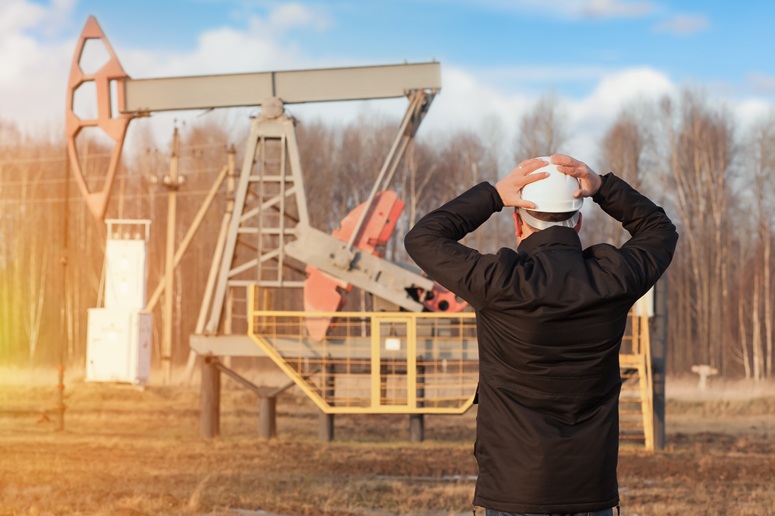
There are a few industries that are more dangerous than oilfields, but some oilfield jobs are more dangerous than others. The Bartlett Shale is directly underneath Fort Worth and the surrounding area, and this translates to oilfield jobs. If you’ve been injured on the job while working in an oilfield,...
Read Article
No one needs to explain to you just how dangerous oil rig explosions are. These life-threatening accidents are not only exceptionally dangerous but are also challenging legal matters. If you or someone you care about was injured in an oil rig explosion, reach out to our experienced Fort Worth oil...
Read ArticleTell us about your accident and your injuries. An injury lawyer from our team will call and provide you with a free evaluation of your case. If we can help, and you are unable to travel, we will come to your home, office, or hospital. It’s easy – let’s get started.

Email us anytime and we will get back to you.

Our attorneys will come to your home, office or hospital at your convenience.

Our team is ready and waiting to help you today.