By Seth Anderson on May 12, 2023
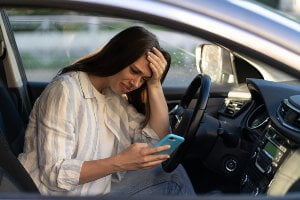 Intense emotions and driving do not mix. Strong emotions make it harder for drivers to keep their eyes and mental focus on the task of driving, increasing their risk of causing a crash.
Anderson & Cummings partner Seth Anderson talks about the dangers of driving with intense emotions.
If you were injured by a driver who was dealing with an intense bout of emotions on a Fort Worth road, we may be able to help you. Our Fort Worth car accident lawyers have obtained millions for victims of negligent drivers. There are no upfront fees or costs with our services. Our attorneys do not get paid unless you get paid.
We are here to help. Call us: (817) 920-9000.
Emotional driving is driving while you are experiencing intense emotions, such as:
Emotions like these can be cognitive distractions, as they make it harder to operate your vehicle safely. Even if you are looking at the road in front of you, you may not be concentrating on driving.
Intense positive emotions can be just as distracting as intense negative emotions. Excitement about something going on in your life or even the music you are listening to can be just as distracting as anger or anxiety. You may be experiencing nervous excitement because you are on your way to something you have been looking forward to, like a birthday celebration.
There are numerous triggers for emotional driving. It is a good idea to review some of the common triggers because it may help you keep your emotions in check when you are behind the wheel.
Extreme emotions can affect drivers in a variety of ways, making them more likely to cause a crash. For example, intense emotions can cause tunnel vision, which makes drivers less likely to notice what is happening around them. Emotional driving can also result in impaired judgment and slower reaction times, making it harder for drivers to react quickly enough to danger.
Tunnel vision, impaired judgment and slower reaction times can result in many reckless driving behaviors, like:
Emotional drivers often act like drivers who are intoxicated. They are prone to some of the same dangerous actions as drivers who are under the influence of alcohol or drugs. For example, you are more likely to take unnecessary chances while you are dealing with strong, positive or negative emotions.
Emotional driving can also be just as dangerous as distracted driving. You have probably heard about how distracted drivers are more likely to speed, follow other cars too closely or fail to yield. Intense emotions can have the same effect.
Intense emotions can cause various types of dangerous collisions, including:
If you were injured in a collision caused by a distracted or emotional driver, Anderson & Cummings may be able to help you seek compensation. Emotional driving can lead to negligent behavior that can cause a crash. Drivers who are negligent, no matter the cause, can be held liable for injuries and damages caused by a crash.
It is critical for drivers to learn how to control their emotions while driving. There are practical steps drivers can take to avoid getting behind the wheel while they are experiencing strong feelings.
For example, some people like to drive to clear their heads after a stressful day. This is a bad idea because your emotions are going to make it more difficult to put the necessary focus on driving. There are other things you can do to clear your head that put you and others at less risk. For example, you could take a walk, listen to some music, watch your favorite TV show or play a video game.
Here are some other tips on managing your emotions while behind the wheel:
Often, drivers simply need to learn some patience. A little patience can go a long way in preventing you from getting overly emotional while you are driving.
Distracted drivers can cause catastrophic crashes that result in life-altering injuries or fatalities. Victims and their loved ones may not know where to turn for help.
Anderson & Cummings has decades of combined experience helping car crash victims take on insurance companies and secure the compensation they need. Call us to discuss what happened and learn how we may be able to help you.
Experienced lawyers. No upfront fees. Call us today: (817) 920-9000.

This page has been written, edited, and reviewed by a team of legal writers following our comprehensive editorial guidelines. This page was approved by attorney Seth Anderson, whose team has more than 50 years of combined legal experience in helping victims of personal injury seek justice.

A pedestrian can face legal and financial responsibility when pedestrian actions directly trigger a collision, although Texas law still evaluates every party’s conduct before assigning fault. At Anderson, Cummings & Drawhorn, LLP, we often speak with Fort Worth residents asking what happens if a...
learn more
Being sued after a crash is one of those situations nobody expects, and when it happens, it can feel overwhelming. You may worry about your finances, your reputation, and how to even begin responding. Many Texans search for what to do if someone sues...
learn more
Drivers across Texas may not even realize they’re doing it, but what is a rolling stop? It’s when a vehicle slows down at a stop sign or red light but doesn’t completely halt before entering the intersection. It might feel like a minor shortcut,...
learn moreTell us about your accident and your injuries. An injury lawyer from our team will call and provide you with a free evaluation of your case. If we can help, and you are unable to travel, we will come to your home, office, or hospital. It’s easy – let’s get started.

Email us anytime and we will get back to you.

Our attorneys will come to your home, office or hospital at your convenience.

Our team is ready and waiting to help you today.


 Message Us
  Call Us