Message Us
 Call Us
 Is the Car That Rear-Ends Another Always at Fault?
By Anderson, Cummings & Drawhorn, LLP on January 24, 2022
By Anderson, Cummings & Drawhorn, LLP on January 24, 2022
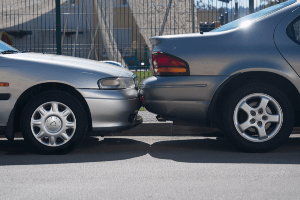
When one vehicle crashes into the back of another, determining fault for the accident is usually straightforward, since the driver who was in the rear vehicle is usually found to have been speeding, distracted or tailgating. However, there are some scenarios when establishing fault may not be so simple due to several factors.
Table of Contents
If you were injured in a rear-end accident and fault is complicated, you should strongly consider speaking to our car accident lawyers in Fort Worth to see how we may be able to help you file a claim and pursue the compensation you need.
The consultation is free and there are no upfront fees. (817) 920-9000
There are multiple scenarios when the driver of the vehicle that was rear-ended may be at fault for the collision, including in cases of:
There are some other scenarios that may be more rare, such as a front vehicle suddenly braking due to an obstruction on the road, like an animal or road debris. Each case is different, which is why it should be reviewed by a knowledgeable attorney to help determine what legal options may be available.
Proving the driver in the lead vehicle is responsible for a rear-end collision may be difficult. This may be because looking at the final resting places of the vehicles may automatically place fault for the crash with the driver of the rear vehicle. Therefore, additional evidence may be necessary to help prove the front vehicle’s driver is responsible.
If any witnesses were in the area when the accident happened, you may be able to speak to them to see if they can corroborate your story about whether the front vehicle braked suddenly or even had broken taillights. Gathering witness statements at the scene is important, but do not forget to take down names and contact information so your attorney can interview them later.
Filing a police report may also help you in these cases, especially if the front driver admits fault at the scene. For example, in a case where the front vehicle backs into yours and the driver says he or she did not see your vehicle when backing up.
Sometimes there may be video evidence of the accident, as many traffic intersections nowadays have cameras. If the crash was captured on video, you may be able to use the footage as evidence of what happened. If you have a dashcam in your vehicle, the footage from that may also be helpful.
Not every rear-end collision claim is as straightforward as many may think. That is why you need an experienced attorney on your side to help you gather the evidence to prove liability.
Our attorneys have over 50 years of combined experience and are prepared to help you through the process of filing a claim and pursuing the compensation you need for medical bills, Lost wages and other damages.
Call (817) 920-9000 to schedule a free consultation.

This page has been written, edited, and reviewed by a team of legal writers following our comprehensive guidelines. This page was approved by attorney Seth Anderson, whose team has more than 50 years of combined legal experience in helping victims of personal injury seek justice.

Slip-and-Fall accidents in Fort Worth businesses are not only common but also often surprisingly serious. Fort Worth is growing rapidly in terms of both population and economic growth, and some businesses cut safety corners in their rush to keep up. If you’ve been injured in a slip-and-fall accident as a...
Read Article
There are a few industries that are more dangerous than oilfields, but some oilfield jobs are more dangerous than others. The Bartlett Shale is directly underneath Fort Worth and the surrounding area, and this translates to oilfield jobs. If you’ve been injured on the job while working in an oilfield,...
Read Article
No one needs to explain to you just how dangerous oil rig explosions are. These life-threatening accidents are not only exceptionally dangerous but are also challenging legal matters. If you or someone you care about was injured in an oil rig explosion, reach out to our experienced Fort Worth oil...
Read ArticleTell us about your accident and your injuries. An injury lawyer from our team will call and provide you with a free evaluation of your case. If we can help, and you are unable to travel, we will come to your home, office, or hospital. It’s easy – let’s get started.

Email us anytime and we will get back to you.

Our attorneys will come to your home, office or hospital at your convenience.

Our team is ready and waiting to help you today.