By Seth Anderson on June 11, 2015
 Automatic braking is considered by many to be the first step toward complete autonomous vehicles. Unfortunately, two automakers are reporting glitchy systems that can cause more accidents than it prevents.
Acura has recalled two vehicles and the National Highway Traffic Safety Administration (NHTSA) is investigating the autonomous braking system on 2014 Jeep Grand Cherokees.
If you or someone you love is injured in a car accident in Fort Worth, turn to the Fort Worth auto accident attorneys you can trust with years of experience representing the injured. Call (817) 920-9000 to discuss your claim.
Acura’s “Collision Mitigation Braking System” uses radar to scan the road ahead of a vehicle and applies the brake automatically if it identifies an object in its path.
However, in recalled vehicles, the system becomes confused when it detects a vehicle accelerating in front of it while traveling alongside an iron fence or metal guardrail. In this situation, the vehicle will step on the brake for no reason, increasing the risk for rear-end collisions.
For this problem, Honda, the maker of Acura, has recalled just under 48,000 2014 and 2015 MDX SUV’s and RLX sedans.
Jeep Grand Cherokees on the other hand have been braking for no reason when there are no pending threats in the path of the vehicle.
After receiving several complaints from owners about the vehicles’ tendencies toward rogue braking, the NTHSA has announced that it will investigate 20,000 2014 Grand Cherokees.
No injuries have been reported so far in either incident.
At Anderson, Cummings & Drawhorn, LLP, our leading Fort Worth personal injury attorneys are dedicated to defending the rights of the injured and can help get you the compensation you deserve for your injuries.
If you or a loved one has been injured in an auto accident, do not hesitate to contact us for a free, no obligation consultation.
Call (817) 920-9000 or complete a Free Case Evaluation form.

This page has been written, edited, and reviewed by a team of legal writers following our comprehensive editorial guidelines. This page was approved by attorney Seth Anderson, whose team has more than 50 years of combined legal experience in helping victims of personal injury seek justice.

Key Takeaways Gastroparesis occurs when stomach muscles slow or stop moving food through the digestive tract. Semaglutide medications, such as Ozempic, slow stomach emptying to regulate blood sugar. Patients often report persistent nausea or repeated vomiting after starting Ozempic. In some patients, semaglutide may...
learn more
Key Takeaways The Trulicity lawsuit refers to product liability claims against dulaglutide manufacturer. Eligibility depends on proof of use and a diagnosed injury linked to the medication. Plaintiffs allege inadequate warnings about serious gastrointestinal risks and potential long-term complications. Federal courts consolidate similar GLP-1...
learn more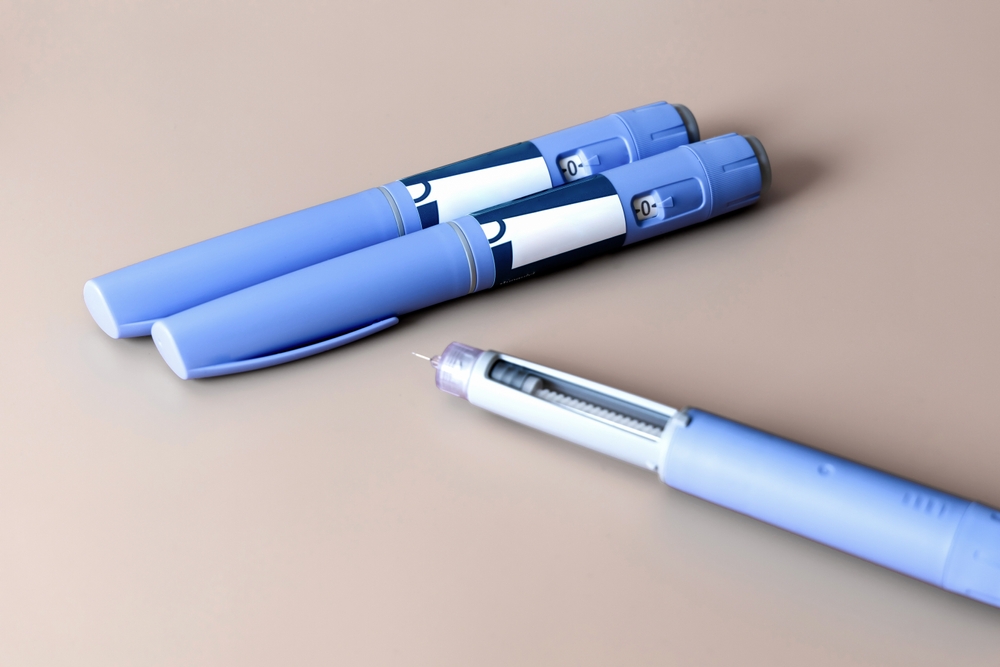
Key Takeaways Ozempic settlement amounts vary by case and remain unsettled while litigation continues. Claims focus on product liability, especially failure to warn about serious risks. Medical expenses, lost income, and physical suffering influence potential recovery. Strong medical records and professional support affect settlement...
learn moreTell us about your accident and your injuries. An injury lawyer from our team will call and provide you with a free evaluation of your case. If we can help, and you are unable to travel, we will come to your home, office, or hospital. It’s easy – let’s get started.

Email us anytime and we will get back to you.

Our attorneys will come to your home, office or hospital at your convenience.

Our team is ready and waiting to help you today.


 Message Us
  Call Us