Message Us
 Call Us
 Slip and Fall at Work Compensation: What Injured Employees Can Recover
By Anderson, Cummings & Drawhorn, LLP on April 30, 2026
By Anderson, Cummings & Drawhorn, LLP on April 30, 2026
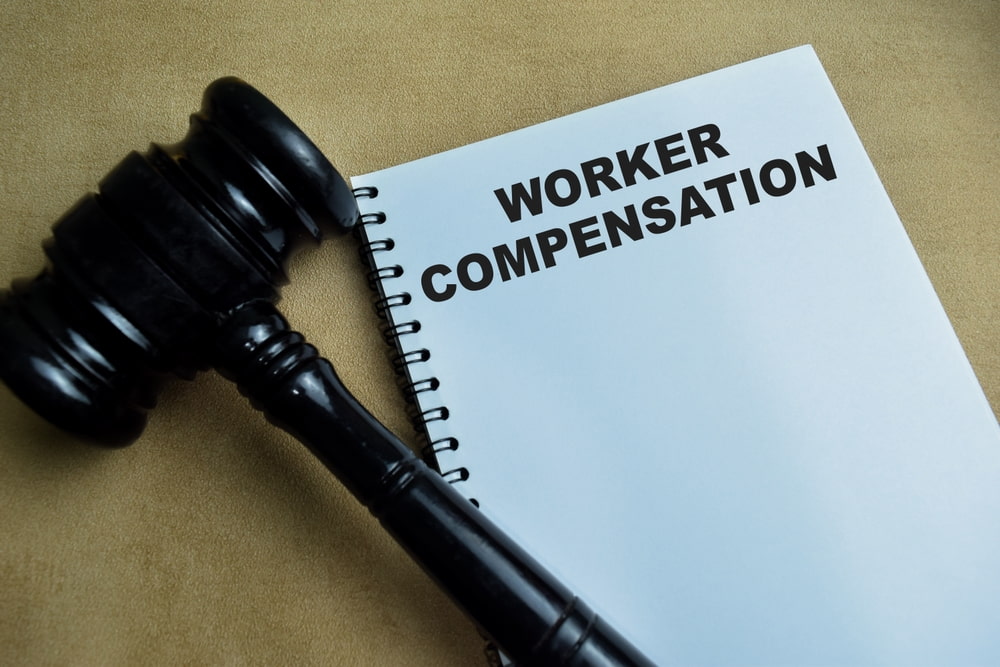
A sudden fall on a warehouse floor, office hallway, or construction site can create long-term medical concerns and interrupt income. Many Arlington employees begin researching slip and fall at work compensation soon after an incident, especially when time away from work affects finances. At Anderson, Cummings & Drawhorn, our Arlington personal injury lawyers help injured workers understand how Texas law approaches workplace injuries and what recovery options may apply based on employer coverage, fault, and available evidence.
Table of Contents
Slip and fall at work compensation refers to financial and medical benefits available after a workplace injury caused by unsafe walking surfaces, spills, or poor maintenance. In Texas, many claims fall under workers’ compensation insurance, which operates as a no-fault system. Injured employees may receive medical care, rehabilitation, and partial wage replacement, often around two-thirds of average weekly pay, regardless of fault.
Under Texas Labor Code Section 406.031, an insurance carrier remains responsible for compensation when an injury occurs within the course and scope of employment, even without proof of negligence. Prompt reporting and authorized medical treatment often influence how smoothly a claim proceeds.
Guiding Injured Workers Through Construction Accident Claims to Secure the Compensation They Deserve
Slip and fall incidents occur across many Arlington industries. Wet floors in restaurants, uneven pavement in parking areas, and loose cables in offices frequently lead to injuries. Industrial settings bring additional risks, including oil spills, debris, or worn safety mats.
Construction environments often involve elevated surfaces, temporary walkways, and shifting materials. Retail locations also see frequent claims when spills remain unaddressed. Weather can increase risk as well. Rain tracked into entryways or slick outdoor surfaces may create hazards when maintenance falls short.
Eligibility depends on employer coverage and the circumstances of the fall. Employees working for companies with workers’ compensation insurance often qualify for benefits when injuries occur during job duties. Coverage generally applies even when the worker contributed to the incident.
Texas allows some employers to opt out of workers’ compensation. These non-subscriber employers create a different legal path. Instead of statutory benefits, an injured worker may pursue a negligence claim directly. In those cases, employers often lose certain defenses, including shifting blame to the worker.
Independent contractors and temporary workers may face additional questions. Employment classification and job control often determine whether compensation applies.
Workers’ compensation provides structured benefits without requiring proof of fault. Medical care and wage benefits form the foundation of recovery, but these claims do not include damages for pain or emotional distress.
A third-party claim may arise when another party contributes to the hazard. Property owners, contractors, or maintenance providers may share responsibility. These claims may allow recovery beyond workers’ compensation benefits.
Texas law permits both claims to proceed together. Under Texas Labor Code Section 417.001, an injured employee may pursue damages from a third party while receiving workers’ compensation, with the carrier retaining subrogation rights. This distinction often shapes how slip and fall at work compensation expands beyond basic benefits.
No Fees Unless We Win
Strong evidence often determines how a claim develops. Incident reports created shortly after the fall establish timing and initial conditions. Photographs showing the hazard, lighting, or surrounding area can capture details before changes occur.
Medical records connect the injury to the workplace event. Treatment notes, imaging, and physician opinions help support causation. Witness statements may confirm how long a hazard existed or whether warnings were missing.
Surveillance footage, when available, can provide direct documentation. Maintenance records may reveal whether inspections occurred regularly or whether hazards remained unaddressed.
Several elements influence compensation outcomes. Injury severity often drives value. Conditions requiring surgery or extended care typically increase benefits or damages.
Lost income also plays a role. Time away from work or reduced earning capacity may affect recovery. Workers’ compensation follows statutory formulas, while third-party claims may include broader financial losses.
Liability and evidence strength often shape settlement negotiations. When a third party shares responsibility, additional damages may become available. Employer status also matters, since non-subscriber claims may allow broader recovery than traditional benefits.
Each case develops differently, and these factors often determine how slip and fall at work compensation takes shape.
A workplace fall can raise questions about income, treatment, and legal options within days. Our team at Anderson, Cummings & Drawhorn evaluates each case under Texas law, identifies available claim paths, and builds a strategy grounded in evidence and liability. Call us at 817-920-9000 to discuss your situation and explore potential recovery options. Request a Free Case Evaluation
As a Fort Worth native and a double-Board Certified trial lawyer, John Cummings is dedicated to fighting for the rights of the injured. With a track record that includes record-setting verdicts and multi-million dollar settlements, he is an aggressive advocate who isn’t afraid to take on tough cases.


This page has been written, edited, and reviewed by a team of legal writers following our comprehensive guidelines. This page was approved by attorney Seth Anderson, whose team has more than 50 years of combined legal experience in helping victims of personal injury seek justice.

Older adults face higher risks after slip and fall accidents because aging bones, slower reflexes, and existing conditions turn a routine fall into a fracture and hospitalization. An impact a younger person shrugs off can start a downward spiral, which is what makes these slip and fall accidents so consequential....
Read Article
Delaying medical treatment after an accident gives insurers an opportunity to argue that your injuries were minor or caused by something else. Because Texas juries place significant weight on medical records, gaps in treatment can weaken an otherwise strong personal injury claim. What Does an Insurer Do With a Gap...
Read Article
Lack of safety gear leads to catastrophic ATV injuries because an all-terrain vehicle offers no cab, no restraint, and no crumple zone, so the rider’s body absorbs the entire crash. Helmets, eye protection, boots, and padding are the only barriers between a rollover and permanent personal injuries. What Does Protective...
Read ArticleTell us about your accident and your injuries. An injury lawyer from our team will call and provide you with a free evaluation of your case. If we can help, and you are unable to travel, we will come to your home, office, or hospital. It’s easy – let’s get started.

Email us anytime and we will get back to you.

Our attorneys will come to your home, office or hospital at your convenience.

Our team is ready and waiting to help you today.
 Call Us At (817) 920-9000
 Call Us At (817) 920-9000