Message Us
 Call Us
 Why Rainy Weather Causes So Many North Texas Rear-End Collisions
By Anderson, Cummings & Drawhorn, LLP on June 12, 2026
By Anderson, Cummings & Drawhorn, LLP on June 12, 2026
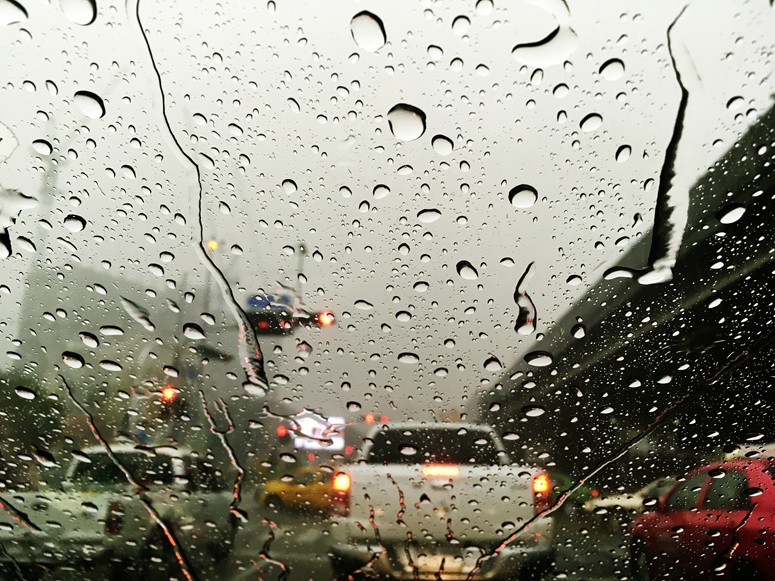
Rain drives up North Texas rear-end collisions because water strips away traction at the exact moment drivers need more of it, while following distances stay unchanged from a dry commute. Most of these car accidents come down to a driver who could not stop within the space they left themselves.
Oil, rubber residue, and other roadway debris accumulate during dry weather. When rain first begins, that buildup mixes with water to create a slippery surface before it is washed away. Roads such as 820 and Airport Freeway can become especially slick during those first few minutes of a storm, even before standing water develops.
Wet pavement can roughly double the distance a vehicle needs to stop. Still, many drivers hold the same following gap they use on dry asphalt without thinking about it at all. Three ordinary habits turn that mismatch into a collision:
Texas addresses the underlying duty in Texas Transportation Code Section 545.062, which requires an assured clear distance so an operator can stop safely, given speed, traffic, and highway conditions. The standard bends with the weather rather than sitting at a fixed number of car lengths.
Tires channel water out through their tread grooves, and past a certain speed, the tread cannot move enough of it fast enough. The tire climbs onto a film of water, steering goes light, and braking does nothing whatsoever until the tread bites pavement again.
A North Texas storm can reduce visibility to just a few car lengths within seconds, causing traffic to slow abruptly. Those rapidly changing conditions leave drivers with little time or space to react:
Congestion forms in a rolling wave, and the back edge of that wave is where the heaviest impacts consistently occur. Drivers arriving at highway speed meet fully stopped traffic with almost no visual warning at all.
Drivers switch on hazards during heavy rain believing it makes them visible, but flashing lights mask brake lights and turn signals and signal a stopped vehicle rather than a moving one. Following drivers misjudge closing speed as a direct result of that confusion.
Texas has no rule that automatically blames the rear driver. Fault is divided by share of responsibility, so a lead driver who brake-checked, drove with burned-out brake lights, or stopped in a live travel lane can absorb a real portion of the blame.
An insurance adjuster who never experienced the storm may view your crash very differently. Weather records, vehicle data, and roadway evidence often support your account. However, they rarely become part of the claim unless someone gathers and presents them.
Anderson, Cummings & Drawhorn is an award-winning Fort Worth firm with Board-Certified attorneys and free consultations for injured drivers throughout Tarrant County. Call (817) 920-9000 or contact us online for an honest read on fault.

This page has been written, edited, and reviewed by a team of legal writers following our comprehensive guidelines. This page was approved by attorney Seth Anderson, whose team has more than 50 years of combined legal experience in helping victims of personal injury seek justice.

Slip-and-Fall accidents in Fort Worth businesses are not only common but also often surprisingly serious. Fort Worth is growing rapidly in terms of both population and economic growth, and some businesses cut safety corners in their rush to keep up. If you’ve been injured in a slip-and-fall accident as a...
Read Article
There are a few industries that are more dangerous than oilfields, but some oilfield jobs are more dangerous than others. The Bartlett Shale is directly underneath Fort Worth and the surrounding area, and this translates to oilfield jobs. If you’ve been injured on the job while working in an oilfield,...
Read Article
No one needs to explain to you just how dangerous oil rig explosions are. These life-threatening accidents are not only exceptionally dangerous but are also challenging legal matters. If you or someone you care about was injured in an oil rig explosion, reach out to our experienced Fort Worth oil...
Read ArticleTell us about your accident and your injuries. An injury lawyer from our team will call and provide you with a free evaluation of your case. If we can help, and you are unable to travel, we will come to your home, office, or hospital. It’s easy – let’s get started.

Email us anytime and we will get back to you.

Our attorneys will come to your home, office or hospital at your convenience.

Our team is ready and waiting to help you today.