Message Us
 Call Us
 Are golf carts street legal in Texas?
By Anderson, Cummings & Drawhorn, LLP on August 20, 2025
By Anderson, Cummings & Drawhorn, LLP on August 20, 2025
Many Texans use golf carts for more than just cruising around the greens. Whether navigating beach towns, large properties, or master-planned communities, golf carts provide affordable, convenient transportation. But are golf carts street legal? That’s one of the most common questions we hear at Anderson, Cummings & Drawhorn, LLP, especially after an accident involving these vehicles. From traffic law concerns to personal injury liability, understanding how Texas regulates golf carts can make a huge difference for drivers and pedestrians alike.

Standard golf carts are not street legal. They’re designed for recreational use, usually limited to speeds of 15 mph and lacking essential safety features.
To qualify as a street-legal golf cart , or more accurately, a Low-Speed Vehicle (LSV), the vehicle must undergo several modifications. This includes:
Additionally, these vehicles must comply with local and state regulations , which often restrict usage to roads with speed limits of 35 mph or less.
In Texas, specific regulations define how and where golf carts can be legally operated:
Permitted usage includes:
Street-legal golf carts offer several advantages:
For Texans with short commutes or property access needs, these vehicles can be practical—but only when used legally.
To convert your standard cart into a street-legal one, you must:
Insurance is also critical. Some cities require liability coverage even for modified golf carts. It’s best to contact your insurer and verify minimum required coverage under Texas law.
Operating a non-compliant golf cart on public roads can result in:
If you’re in an accident involving an improperly operated golf cart, even as a pedestrian or bystander, legal consequences can escalate quickly.
Injury from a golf cart crash often falls under car accident law in Texas, especially when the negligence of another driver contributes to the incident. These cases are treated seriously under state law and can result in substantial compensation, depending on the circumstances.
If you or a loved one has been injured in a golf cart-related collision, it’s important to understand your rights. Victims may be eligible to recover compensation for a wide range of losses:
Every accident is unique, and the path to compensation can depend on details like the golf cart’s street-legal status, where the crash occurred, and who was at fault. Speaking with an experienced attorney early can make a significant difference in the outcome of your claim.
In Texas, you typically have two years from the date of the crash to file a personal injury claim. Missing this window could bar your right to compensation, so acting fast is vital.
The attorneys at Anderson, Cummings & Drawhorn, LLP have deep experience handling motor vehicle and golf cart crash claims across Texas. Whether you’re facing hospital bills or insurance disputes, our team will guide you through every step of the process. We know how to investigate street-legal violations and build strong claims tailored to your unique situation.
Contact us at 817-920-9000 to schedule a free consultation and learn how Anderson, Cummings & Drawhorn, LLP can help you move forward after a golf cart-related injury.

This page has been written, edited, and reviewed by a team of legal writers following our comprehensive guidelines. This page was approved by attorney Seth Anderson, whose team has more than 50 years of combined legal experience in helping victims of personal injury seek justice.

Older adults face higher risks after slip and fall accidents because aging bones, slower reflexes, and existing conditions turn a routine fall into a fracture and hospitalization. An impact a younger person shrugs off can start a downward spiral, which is what makes these slip and fall accidents so consequential....
Read Article
Delaying medical treatment after an accident gives insurers an opportunity to argue that your injuries were minor or caused by something else. Because Texas juries place significant weight on medical records, gaps in treatment can weaken an otherwise strong personal injury claim. What Does an Insurer Do With a Gap...
Read Article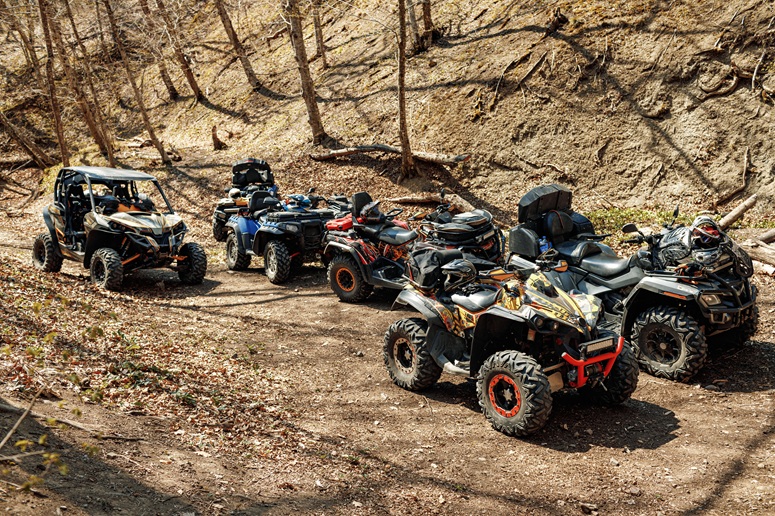
Lack of safety gear leads to catastrophic ATV injuries because an all-terrain vehicle offers no cab, no restraint, and no crumple zone, so the rider’s body absorbs the entire crash. Helmets, eye protection, boots, and padding are the only barriers between a rollover and permanent personal injuries. What Does Protective...
Read ArticleTell us about your accident and your injuries. An injury lawyer from our team will call and provide you with a free evaluation of your case. If we can help, and you are unable to travel, we will come to your home, office, or hospital. It’s easy – let’s get started.

Email us anytime and we will get back to you.

Our attorneys will come to your home, office or hospital at your convenience.

Our team is ready and waiting to help you today.