Message Us
 Call Us
 Can Dashcam Footage Be Used in a Texas Truck Accident Lawsuit?
By Anderson, Cummings & Drawhorn, LLP on October 08, 2024
By Anderson, Cummings & Drawhorn, LLP on October 08, 2024
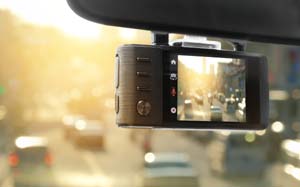
Dashcams have become an increasingly popular tool for documenting the moments leading up to accidents, especially in the trucking industry. With the potential to capture high-quality, real-time footage, dashcams provide a level of evidence that can be instrumental in determining fault, supporting claims, and clarifying the events of a crash. In truck accident lawsuits, dashcam footage can help victims, attorneys, and insurers get a clearer picture of what really happened. In this article we will explore the various ways dashcams are used in truck accident cases and how they can make a difference in securing a fair outcome.
Table of Contents
The role of dashcams in the trucking industry extends well beyond simple recording devices.Dashcams have become essential tools – serving as both protective and preventative measures for drivers and companies alike. With the ability to capture real-time video of road conditions, driving behavior, and incidents, dashcams provide valuable documentation that helps ensure accountability, improve safety, and offer protection against false claims. Let’s take a closer look at the various roles dashcams play in trucking and why they’ve become so widely adopted across the industry.
One of the primary reasons trucking companies invest in dashcams is to promote safer driving practices. Knowing that their actions are recorded encourages drivers to stay alert, follow traffic laws, and make responsible choices behind the wheel. Dashcams help increase accountability, ensuring that drivers adhere to safety protocols and remain mindful of potential hazards.
For trucking companies, this can lead to a reduction in accidents, improved safety records, and ultimately, lower insurance premiums. Many companies use dashcam footage to review incidents and assess driving patterns, which helps them pinpoint areas for improvement in training and policies.
Don’t face big insurance companies alone. Our award-winning lawyers have recovered millions for clients just like you. We’re ready to put our 50+ years of combined experience to work, fighting for the compensation you deserve.
In accidents involving large trucks, truck drivers and companies are often unfairly blamed, as people may assume the truck’s larger size automatically makes it the more dangerous vehicle. Dashcams provide an objective view of the events leading up to an accident, helping to clarify fault and protect drivers from false claims. For instance, if a car cuts off a truck or brakes suddenly, dashcam footage can provide crucial evidence to show that the truck driver was not at fault.
Dashcams are also a powerful tool against “staged” accidents, where drivers intentionally create a situation to file fraudulent insurance claims. Having clear, unbiased footage helps prevent these claims from progressing, saving trucking companies and their insurers from costly settlements and legal battles.
The trucking industry is subject to numerous regulations designed to promote road safety, from maintaining proper following distances to observing mandated rest periods. Dashcams, especially those with dual-facing lenses, can capture both the road and the driver, providing proof that drivers are complying with these rules. This can include monitoring that drivers aren’t using phones, speeding, or exhibiting distracted behavior.
In cases where regulatory compliance is called into question, dashcam footage can serve as evidence that the driver and company followed safety standards, protecting them from fines and other penalties.
In the unfortunate event of an accident, dashcam footage becomes invaluable when filing insurance claims or handling lawsuits. The footage provides visual evidence of the incident, which can help speed up the claims process and lead to quicker resolutions. Insurance adjusters and attorneys can review the footage to accurately assess fault and determine the sequence of events, reducing the likelihood of drawn-out legal proceedings.
For drivers and companies alike, having clear evidence on hand makes it easier to defend against claims and pursue rightful compensation when they are not at fault.
Dashcams also play an educational role in the trucking industry. Many companies use footage from real-life driving situations as training material for new and existing drivers. By watching actual road scenarios, drivers can learn how to handle various challenges, such as difficult weather conditions, sudden stops, and aggressive driving from other vehicles. This type of practical training allows drivers to see first-hand examples of safe driving practices, helping improve overall performance and safety awareness.
In addition, some companies use dashcams to regularly review their drivers’ performance, identifying habits that may need improvement. This helps companies maintain a high standard of driving within their fleet and reduce the risk of accidents caused by driver error.
Finally, dashcams offer peace of mind to both drivers and trucking companies. For drivers, knowing that they have a record of each trip provides a sense of security, knowing they have evidence to protect them in case of an accident or false accusation. For companies, dashcams help ensure that their drivers are staying safe and responsible on the road, which benefits everyone involved.
In the aftermath of a truck accident, determining fault and establishing the facts can be challenging. When large vehicles are involved, it’s common for disputes to arise over who is responsible. Dashcam footage is an invaluable asset in truck accident claims, offering an objective record that can clarify liability, reinforce witness statements, and speed up the claims process. Some examples include:
Like any other form of evidence, dashcam footage must follow certain legal procedures to be admitted. Following is an overview of the process for submitting dashcam footage in a lawsuit and how to ensure it’s handled correctly for maximum impact.
The first step in using dashcam footage in a lawsuit is to preserve the original file. Immediately after an accident, back up the footage from the dashcam to a secure location, such as an external hard drive or cloud storage. Avoid altering or editing the footage in any way, as any changes can cast doubt on its authenticity in court. Keeping an unaltered, original version of the footage is essential for establishing it as valid evidence.
If your dashcam records on a continuous loop, be sure to save a copy of the relevant footage as soon as possible to avoid it being overwritten.
Before dashcam footage can be submitted in court, it must meet certain requirements for admissibility. In general, the footage must be:
If you’re unsure whether your dashcam footage meets these requirements, consulting an attorney can help determine if it’s likely to be accepted in court.
In court, it’s very important to establish that the dashcam footage is genuine and unaltered. Your attorney can help with this process by filing the necessary paperwork and presenting evidence of the footage’s authenticity. This might include submitting an affidavit explaining the origin of the footage, details about the dashcam used, and how the footage was transferred and stored.
If there’s any question about the footage’s origin, your attorney may call witnesses who can testify to its authenticity, such as the driver who recorded it or a technician who can verify the integrity of the file.
In a lawsuit, both parties engage in a process called discovery, where they exchange information and evidence before the trial. Dashcam footage should be shared with the opposing party during discovery, as both sides must have the opportunity to review it before it’s presented in court. Your attorney will ensure that the footage is included in the discovery documents, properly filed, and available to the other side.
During discovery, the opposing party may question the footage’s validity or request further proof of its authenticity. Having the original footage and a clear chain of custody can help address these concerns and strengthen the case for admitting it.
It’s not uncommon for the opposing party to challenge dashcam footage, particularly if it clearly demonstrates fault. They may question the authenticity, relevance, or clarity of the footage, or argue that it was edited. If this happens, your attorney will address these objections in court, providing evidence to counter the claims and show that the footage is a legitimate and accurate representation of the events.
Having an experienced attorney on your side is essential to overcome objections and ensure the footage can be successfully used to support your claim.
Once the dashcam footage is admitted as evidence, it can be presented to the judge or jury to support your case. In court, the footage will typically be displayed on a screen, allowing everyone in the courtroom to view the moments leading up to the accident. Your attorney may highlight specific parts of the video to emphasize certain details, such as the actions of the other driver or road conditions that contributed to the crash.
The dashcam footage serves as an objective witness, providing a firsthand account of the incident and helping clarify any conflicting statements or unclear details. Its visual nature can be particularly persuasive, as it allows the court to see the events as they unfolded, leaving less room for interpretation.
While dashcam footage is powerful, it is even more effective when combined with other forms of evidence. Photos from the accident scene, witness statements, police reports, and expert analysis can all support the footage and provide a well-rounded view of the accident. For example, accident reconstruction experts can use the footage to create a detailed analysis of how the accident occurred, reinforcing the footage’s claims.
A comprehensive approach to evidence strengthens the impact of dashcam footage, helping create a clear, compelling case for the court.
In truck and other motor vehicle accident cases involving dashcam or surveillance footage, the authenticity of the video plays a very important role in its admissibility as evidence. Courts require proof that the footage is genuine, unaltered, and accurately depicts the events in question. Without this assurance, video evidence may be challenged or even dismissed. But what steps are taken to establish that a piece of footage is authentic? Let’s lean in to how authenticity is confirmed to ensure that the footage stands up in court.
Maintaining the quality and original format of the footage prevents any accusations of tampering and makes the video easier to admit in court.
In many instances, dashcam footage can be a powerful tool for providing clarity and supporting a strong legal case. However, it’s essential to be aware of the limitations and potential downsides of this technology. Let’s explore both the benefits and drawbacks of using dashcam footage as evidence in legal cases.
One of the biggest advantages of dashcam footage is its objectivity. Dashcams capture events as they happen, offering a clear and accurate view of the accident. Unlike witness statements or recollections that may be influenced by memory or perception, dashcam footage shows exactly what occurred, removing much of the guesswork from the case. This objectivity can make dashcam footage one of the most persuasive pieces of evidence in court.
Dashcams can record critical details that may clarify who was at fault in an accident. For example, the footage can show whether one driver was speeding, failed to yield, or ran a red light. These details are invaluable in determining liability and can be crucial when an accident involves conflicting statements. By capturing driving behavior, road conditions, and other drivers’ actions, dashcams provide context that can help establish a clear picture of fault.
In some cases, drivers may attempt to exaggerate or fabricate events to support a claim. Dashcams protect against these false claims by offering an impartial account of the accident. If another party claims the driver was at fault or acted recklessly, the footage can show the truth. This helps prevent fraudulent claims and protects innocent drivers from bearing responsibility for accidents they didn’t cause.
Dashcam footage can expedite the insurance claims process, as it gives adjusters and legal teams clear evidence to work with. When the events of an accident are indisputable, claims are often processed more quickly, leading to faster settlements. This can be particularly helpful when a driver needs funds for vehicle repairs or medical expenses, as it reduces the back-and-forth discussions over liability.
Knowing they’re being recorded can encourage drivers to adhere to safer driving practices. For trucking companies, dashcams promote accountability and help maintain safety standards among drivers. This not only benefits the company but also contributes to road safety as a whole. Dashcam footage from past incidents can also be used for driver training, helping educate drivers on how to avoid certain types of accidents.
Dashcams typically only capture what’s directly in front of or behind the vehicle, meaning they don’t cover all angles. Important details may be missed if they occur outside the camera’s range, such as actions from other vehicles or pedestrians at the sides. If an incident happens out of the camera’s field of view, the dashcam footage may not provide a complete account, limiting its usefulness as evidence.
Not all dashcams are created equal; the quality of the footage can vary widely based on the type of camera, lighting, and weather conditions. In low-light situations or during adverse weather, footage may be grainy or unclear, making it difficult to see key details. Poor-quality footage can reduce the impact of the evidence and make it challenging to use in court if the image isn’t sharp enough to verify important aspects of the case.
In some instances, dashcams can raise privacy concerns, particularly if they capture private property, license plates, or people without their consent. Different states have varying laws on dashcam usage, especially when recording inside the vehicle or recording audio. Privacy considerations may affect whether the footage is admissible, depending on the jurisdiction and the specifics of the case.
While dashcam footage is often used to support a driver’s case, it could also work against them if it shows behavior that contributed to the accident. For example, if the footage reveals that the driver was speeding, distracted, or engaging in reckless behavior, it may harm the case. In such situations, the dashcam footage might actually support the opposing party’s claims, which could negatively impact the driver’s chance of a favorable outcome.
To use dashcam footage in court, the footage must be stored properly and an unbroken chain of custody must be maintained. If the footage is lost, altered, or mishandled, its credibility can be called into question, making it unusable in legal proceedings. Dashcam owners must be diligent about backing up footage immediately after an incident and ensuring it is stored securely to prevent loss or tampering.
Dashcam footage can be a powerful asset after an accident, capturing key details that can help clarify fault and support your version of events. But knowing when to involve a lawyer to review or present this footage can be crucial to ensuring it’s used effectively in your case.
Contacting a lawyer when you have dashcam footage can help you make the most of this powerful evidence, especially in situations where fault is disputed or legal issues arise. An experienced attorney can guide you through the process of preserving, authenticating, and presenting the footage, ensuring it works to your advantage as you pursue fair compensation. If you have found yourself in a challenging situation after an accident, contact the team of legal professionals at Anderson, Cummings and Drawhorn to help explore the legal options that may be available to you. Your initial consultation is free.

This page has been written, edited, and reviewed by a team of legal writers following our comprehensive guidelines. This page was approved by attorney Seth Anderson, whose team has more than 50 years of combined legal experience in helping victims of personal injury seek justice.

Older adults face higher risks after slip and fall accidents because aging bones, slower reflexes, and existing conditions turn a routine fall into a fracture and hospitalization. An impact a younger person shrugs off can start a downward spiral, which is what makes these slip and fall accidents so consequential....
Read Article
Delaying medical treatment after an accident gives insurers an opportunity to argue that your injuries were minor or caused by something else. Because Texas juries place significant weight on medical records, gaps in treatment can weaken an otherwise strong personal injury claim. What Does an Insurer Do With a Gap...
Read Article
Lack of safety gear leads to catastrophic ATV injuries because an all-terrain vehicle offers no cab, no restraint, and no crumple zone, so the rider’s body absorbs the entire crash. Helmets, eye protection, boots, and padding are the only barriers between a rollover and permanent personal injuries. What Does Protective...
Read ArticleTell us about your accident and your injuries. An injury lawyer from our team will call and provide you with a free evaluation of your case. If we can help, and you are unable to travel, we will come to your home, office, or hospital. It’s easy – let’s get started.

Email us anytime and we will get back to you.

Our attorneys will come to your home, office or hospital at your convenience.

Our team is ready and waiting to help you today.
 Call Us At (817) 920-9000