Message Us
 Call Us
 NHTSA Proposes Capping Maximum Speeds for Trucks
By Anderson, Cummings & Drawhorn, LLP on September 15, 2016
By Anderson, Cummings & Drawhorn, LLP on September 15, 2016
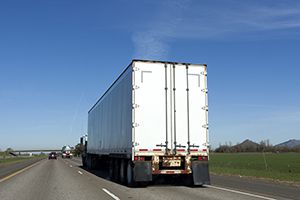
In 2014, there were 476,000 large truck and bus accidents throughout the country, resulting in fatalities for seven out of ten motorists in passenger vehicles involved in these crashes.
The latest proposal from the National Highway Traffic Safety Administration (NHTSA) and the Federal Motor Carrier Safety Administration (FMCSA) aims to reduce these fatal accidents by requiring speed limiting devices be installed on all heavy-duty trucks and other large commercial vehicles to restrict maximum speeds.
This proposal is estimated to save up to 500 lives each year and save more than $1 billion in fuel costs every year.
Until the measure is passed, motorists can take actions to avoid colliding with a truck and improving roadway safety for all, including:
Were you injured in a truck accident due to some form of negligence? If so, you may be entitled to compensation and you should contact the truck accident attorneys at Anderson, Cummings & Drawhorn, LLP to review your claim and inform you of the legal options available. A Fort Worth injury attorney from our firm can review the details of your incident and advise if you have grounds to file a claim.
Call (817) 920-9000 or complete our Free Case Evaluation form today.

This page has been written, edited, and reviewed by a team of legal writers following our comprehensive guidelines. This page was approved by attorney Seth Anderson, whose team has more than 50 years of combined legal experience in helping victims of personal injury seek justice.

If you are involved in a car accident in North Texas, move to a safe location, check for injuries, call 911 when appropriate, exchange information, document the crash, seek medical care, notify your insurer, and consider reaching out to Anderson, Cummings & Drawhorn before accepting a settlement. The steps you...
Read Article
Slip-and-Fall accidents in Fort Worth businesses are not only common but also often surprisingly serious. Fort Worth is growing rapidly in terms of both population and economic growth, and some businesses cut safety corners in their rush to keep up. If you’ve been injured in a slip-and-fall accident as a...
Read Article
There are few industries that are more dangerous than oilfields, but some oilfield jobs are more dangerous than others. The Barnett Shale is directly underneath Fort Worth and the surrounding area, and this translates to oilfield jobs. If you’ve been injured on the job while working in an oilfield, you...
Read ArticleTell us about your accident and your injuries. An injury lawyer from our team will call and provide you with a free evaluation of your case. If we can help, and you are unable to travel, we will come to your home, office, or hospital. It’s easy – let’s get started.

Email us anytime and we will get back to you.

Our attorneys will come to your home, office or hospital at your convenience.

Our team is ready and waiting to help you today.