Message Us
 Call Us
 Safety Tips for Driving in Bad Weather
By Anderson, Cummings & Drawhorn, LLP on April 29, 2016
By Anderson, Cummings & Drawhorn, LLP on April 29, 2016
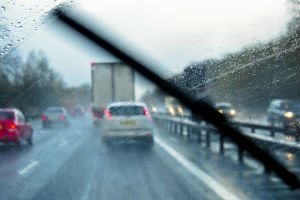
When bad weather strikes while you’re behind the wheel, do you know what you should do to stay safe?
Table of Contents
There have been several severe storms across Texas recently, and more are likely throughout the year.
If you are caught on the roads when a hailstorm, high winds or other severe weather strikes, knowing what to do can help you stay safe and avoid being involved in a weather-related accident.
Anytime you encounter a storm while driving, you should always slow down and keep additional space between your vehicle and the others around you. Never drive through flooded roadways, as the depth of the water is not clear. Your vehicle could become submerged or washed away in moving water.
If hail merits getting off the roads, immediately look for shelter for your vehicle. Overpasses, gas stations, and garages may be available for you to seek shelter until the storm passes. If you are in a rural area or cannot locate a shelter, immediately pull your vehicle over to the side of the road and stop. Seek cover on the floor of your vehicle, below the windows.
Should you encounter a tornado while in your vehicle, try to drive at right angles to get away from it if it is still at a distance. If the tornado is too close, pull over and stop your car. Keeping your seatbelt on, duck your head down below the windows and cover your head and neck with your arms. Do not stop under an overpass, as your vehicle may be subjected to more airborne debris here due to the wind tunnel effect.
If you have been injured in an accident that wasn’t your fault, you may be able to recover compensation for your medical bills, lost wages and other expenses. Contact a Fort Worth car accident attorney at our law firm for a free, no obligation consultation. Our injury lawyers in Fort Worth, TX are here to help and charge no upfront fees if we handle your case.
Call (817) 920-9000 or complete our Free Case Evaluation form now.

This page has been written, edited, and reviewed by a team of legal writers following our comprehensive guidelines. This page was approved by attorney Seth Anderson, whose team has more than 50 years of combined legal experience in helping victims of personal injury seek justice.

If you are involved in a car accident in North Texas, move to a safe location, check for injuries, call 911 when appropriate, exchange information, document the crash, seek medical care, notify your insurer, and consider reaching out to Anderson, Cummings & Drawhorn before accepting a settlement. The steps you...
Read Article
Slip-and-Fall accidents in Fort Worth businesses are not only common but also often surprisingly serious. Fort Worth is growing rapidly in terms of both population and economic growth, and some businesses cut safety corners in their rush to keep up. If you’ve been injured in a slip-and-fall accident as a...
Read Article
There are few industries that are more dangerous than oilfields, but some oilfield jobs are more dangerous than others. The Barnett Shale is directly underneath Fort Worth and the surrounding area, and this translates to oilfield jobs. If you’ve been injured on the job while working in an oilfield, you...
Read ArticleTell us about your accident and your injuries. An injury lawyer from our team will call and provide you with a free evaluation of your case. If we can help, and you are unable to travel, we will come to your home, office, or hospital. It’s easy – let’s get started.

Email us anytime and we will get back to you.

Our attorneys will come to your home, office or hospital at your convenience.

Our team is ready and waiting to help you today.