Message Us
 Call Us
 Traffic Intersections and Teens: Deadly Hotspot
By Anderson, Cummings & Drawhorn, LLP on February 25, 2015
By Anderson, Cummings & Drawhorn, LLP on February 25, 2015

Many teenagers look forward to the freedom of getting their drivers license, but it’s important they understand the responsibility that comes with driving.
Table of Contents
An intersection is a very common place to experience a car accident because one or both parties believe they can pass through a light before it turns red. It happens every day. If you think about it, intersections are probably the most dangerous places to be. After all, intersections are where vehicles and pedestrians are trying to occupy the same real estate.
When teens start driving, they can have difficulty making precise turns. In part, this is due to inexperience. It may also be related to teen difficulty in judging distance, location and speed.
One of the main reasons intersections are so dangerous is because drivers don’t obey traffic signals. Remind your teen to pay close attention to the traffic light when approaching the intersection.
As you approach an intersection, slow down and look both ways. Just because you have a green light does not mean it’s safe to cross.
Have you lost a loved one due to the negligent actions of another motorist?
When a driver fails to adhere to the traffic laws, they may be held accountable for the accidents and injuries they cause. If you or your family member was injured by a distracted driver, you may be able to hold him or her responsible for their negligence. Contact a personal injury lawyer from Anderson, Cummings & Drawhorn, LLP today, and learn how our experienced Texas injury attorneys can help you.
Call (817) 920-9000 to schedule your free consultation today.

This page has been written, edited, and reviewed by a team of legal writers following our comprehensive guidelines. This page was approved by attorney Seth Anderson, whose team has more than 50 years of combined legal experience in helping victims of personal injury seek justice.
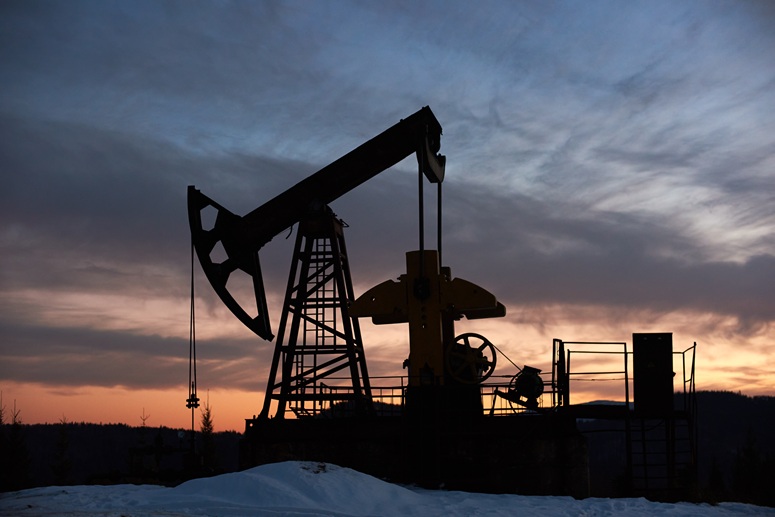
After a Fort Worth oilfield accident, you may be able to sue the contractor, the operator, or another company. Still, liability depends on who controlled the work, who created the dangerous condition, and whose conduct caused your injury. At Anderson, Cummings & Drawhorn, we know how complex oilfield accidents can...
Read Article
Grocery store slip and fall accidents are more serious than people think because they can cause serious injuries that may seem negligible at first. A sudden fall onto a hard floor can damage your head, spine, hips, joints, and other parts of your body, even when the fall initially looks...
Read Article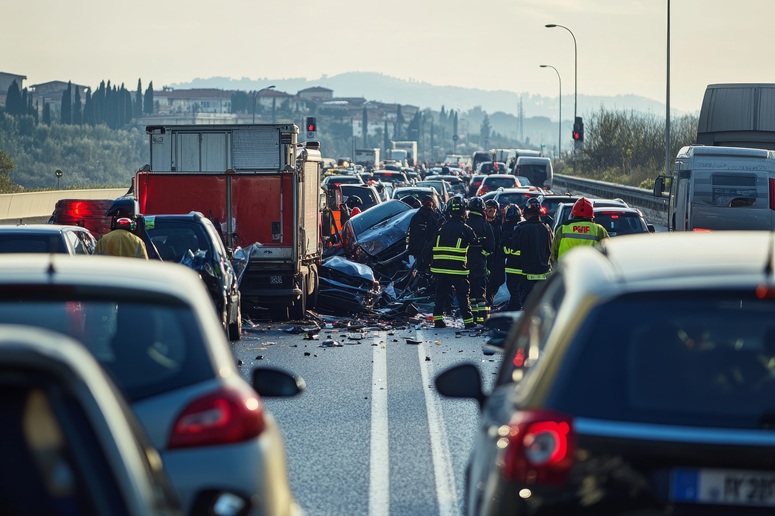
Multi-vehicle highway accidents in Fort Worth can cause serious injuries such as traumatic brain injuries, broken bones, spinal injuries, internal injuries, and severe soft tissue damage. You can be struck more than once as vehicles collide, increasing the force placed on the body. These crashes can occur on major highways...
Read ArticleTell us about your accident and your injuries. An injury lawyer from our team will call and provide you with a free evaluation of your case. If we can help, and you are unable to travel, we will come to your home, office, or hospital. It’s easy – let’s get started.

Email us anytime and we will get back to you.

Our attorneys will come to your home, office or hospital at your convenience.

Our team is ready and waiting to help you today.