Message Us
 Call Us
 Who May Be Liable if Bad Weather Leads to a Car Accident in Fort Worth?
By Anderson, Cummings & Drawhorn, LLP on February 05, 2025
By Anderson, Cummings & Drawhorn, LLP on February 05, 2025
When adverse weather strikes in Texas, road conditions can become hazardous, leading to serious car crashes and injuries. Some drivers may think they have no liability in this situation, but that is not true. Despite the area’s susceptibility for heavy rain, snow and hurricanes, drivers in Fort Worth can be held responsible for the damages..
Table of Contents
At Anderson Cummings & Drawhorn, our experienced Fort Worth car accident attorneys understand the unique challenges of weather-related crash claims. We know how to protect your rights against insurance companies that try to blame the crash on the weather. While adverse weather makes the roads more treacherous, drivers still have a legal duty to operate their vehicles safely.
Request a FREE, no-risk consultation today: (817) 920-9000
In Texas, drivers must exercise additional caution and adjust their driving behavior when encountering adverse weather conditions. Critical safety adjustments include:
Texas law requires all drivers to operate their vehicles appropriately for current weather conditions, regardless of posted speed limits or regular traffic rules. Failing to take these extra precautions during heavy rains or harsh winter weather can constitute negligence, making a driver legally responsible for any accidents or injuries they cause, even if weather is a contributing factor.
Texas law does not automatically excuse drivers from liability if snow, rain or other weather conditions contributed to a car accident. Even during severe storms, ice events or heavy fog, drivers have a legal duty to adjust their speed, following distance and other behaviors to road, weather or traffic conditions they encounter.
Insurance companies may try to shift the blame from their policyholder by arguing that an icy road or heavy rain was the sole cause of the accident. However, most weather-related crashes involve driver negligence.
Drivers may underestimate the impact of severe weather conditions, leading to preventable accidents and avoidable injuries. Here are the most frequent driving errors that result in weather-related crashes across Tarrant County:
Taking proactive safety measures during severe weather can significantly reduce your risk of being involved in a serious accident. Here are critical steps every driver should follow to protect themselves and others during challenging weather conditions:
Before operating your vehicle, monitor local weather forecasts and check road conditions through Texas Department of Transportation updates. Pay special attention to flash flood warnings, ice alerts and severe storm notifications that could affect your route.
Keep your vehicle properly maintained by regularly checking tires, brakes, windshield wipers and headlights. Replace worn tires before wet or winter weather seasons begin. Ensure your wipers do not need replacing and can effectively clear your windshield during heavy rain or falling snow. Failing to maintain your vehicle may enable insurers to increase your negligence.
Map out backup routes to avoid flood-prone areas, steep hills or other hazardous locations during severe weather. Familiarize yourself with higher ground routes and safe places to stop if conditions worsen.
Recognize when conditions are too dangerous for travel and postpone non-essential trips. No appointment is worth risking your safety during severe weather events. Fort Worth drivers should be especially cautious during winter storms as roads may become icy and dangerous without warning.
Multiple drivers may share responsibility in weather-related accidents if their combined actions contribute to a collision. Under Texas modified comparative negligence laws, each driver can be assigned a percentage of fault based on how their behavior contributed to the crash.
Secondary crashes pose a significant threat during severe weather events in Fort Worth. They often occur minutes or hours after an initial accident has disrupted traffic flow. These chain-reaction accidents frequently happen because drivers fail to adjust their behavior when approaching existing crash scenes in challenging weather conditions.
After a weather related car accident, you can greatly benefit from having our trusted law firm fight to protect your rights and financial interests. Insurance companies often try to use many tactics, including severe weather conditions, as a means to devalue or deny valid claims.
At Anderson Cummings & Drawhorn, our dedicated legal team will thoroughly investigate the crash that injured you, gather crucial evidence and build a compelling case on your behalf. We have a history of securing favorable results for clients. Let us help you recover the compensation you need and deserve. There are no upfront costs or fees to pay when we represent you.
Experienced Lawyers. Proven Results. Call: (817) 920-9000

This page has been written, edited, and reviewed by a team of legal writers following our comprehensive guidelines. This page was approved by attorney Seth Anderson, whose team has more than 50 years of combined legal experience in helping victims of personal injury seek justice.

After a Fort Worth oilfield accident, you may be able to sue the contractor, the operator, or another company. Still, liability depends on who controlled the work, who created the dangerous condition, and whose conduct caused your injury. At Anderson, Cummings & Drawhorn, we know how complex oilfield accidents can...
Read Article
Grocery store slip and fall accidents are more serious than people think because they can cause serious injuries that may seem negligible at first. A sudden fall onto a hard floor can damage your head, spine, hips, joints, and other parts of your body, even when the fall initially looks...
Read Article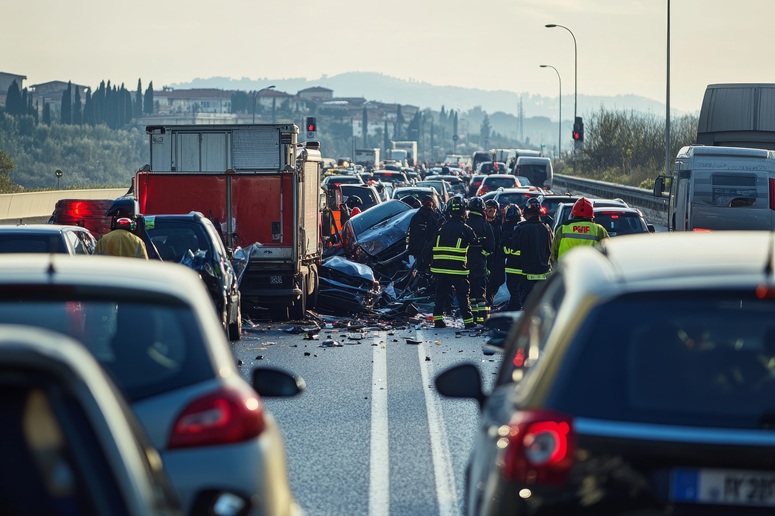
Multi-vehicle highway accidents in Fort Worth can cause serious injuries such as traumatic brain injuries, broken bones, spinal injuries, internal injuries, and severe soft tissue damage. You can be struck more than once as vehicles collide, increasing the force placed on the body. These crashes can occur on major highways...
Read ArticleTell us about your accident and your injuries. An injury lawyer from our team will call and provide you with a free evaluation of your case. If we can help, and you are unable to travel, we will come to your home, office, or hospital. It’s easy – let’s get started.

Email us anytime and we will get back to you.

Our attorneys will come to your home, office or hospital at your convenience.

Our team is ready and waiting to help you today.