Message Us
 Call Us
 Senior Drivers and Car Accidents: How These Numbers Could Strengthen Your Claim
By Anderson, Cummings & Drawhorn, LLP on December 19, 2025
By Anderson, Cummings & Drawhorn, LLP on December 19, 2025
Understanding how senior drivers fit into Texas crash statistics can shape the strength of your injury claim. Many people want to know what percentage of car accidents are caused by older drivers and how age-related factors influence liability. While age alone never determines fault, accident patterns involving adults over 65 often play an important role when insurers evaluate responsibility and compensation. At Anderson, Cummings & Drawhorn, LLP, our goal is to help you understand these trends and use them strategically when pursuing a claim in Fort Worth.
Table of Contents

When examining the role of older adults in motor vehicle collisions, data gives important context. So, what percentage of car accidents are caused by older drivers? The National Safety Council reports 65% of people killed in crashes involving an older driver in 2023 were either the senior motorist or a passenger age 65 or older. This includes 4,829 older drivers, 725 older passengers, and 217 younger passengers riding with a senior driver.
These numbers highlight an important point: older adults are not the primary cause of most collisions, but they often suffer the most serious outcomes. That reality affects how insurers assess damages, medical needs, and long-term costs.
As Fort Worth’s senior population grows, understanding how these cases differ can help you present a more complete and persuasive claim after a crash.
No Fees Unless We Win
Although many older motorists limit their driving or avoid challenging conditions, certain crash patterns appear more frequently in collisions involving senior drivers. We often see situations such as:
Even though the number of drivers age 70 and older continues to rise, the Insurance Institute for Highway Safety reports that fatal crash rates for this group have dropped compared to previous decades. Better vehicle safety, improved overall health, and self-regulation, such as avoiding night driving, play a role.
Texas law does not presume negligence based on age. Instead, liability depends on whether a driver acted reasonably under the circumstances. However, natural age-related changes can affect how a crash occurred.
These changes may involve:
The National Highway Traffic Safety Administration notes that these changes are part of the aging process—not disqualifiers for driving—but they can create safety concerns if not properly managed.
Accident trends help us explain why a particular maneuver or misjudgment was unsafe and how it fits into recognized patterns. When used correctly, data can help:
We use these insights to build a claim that blends evidence with real-world context—never to stereotype, but to show how specific decisions led to preventable consequences.
No Fees Unless We Win
If you’re involved in a crash with an older motorist in Fort Worth, these steps can make a substantial difference in your claim:
The earlier we become involved, the faster we can secure evidence that could be lost—such as surveillance footage, electronic data from vehicles, or witness statements.
If your collision involved an older driver and you believe their actions contributed to the crash, we’re ready to help you understand your options and protect your claim. Call 817-920-9000 or reach out online for a free review. Anderson, Cummings & Drawhorn, LLP will evaluate your case, explain the next steps, and work to pursue the compensation you deserve.
As a Fort Worth native and a double-Board Certified trial lawyer, John Cummings is dedicated to fighting for the rights of the injured. With a track record that includes record-setting verdicts and multi-million dollar settlements, he is an aggressive advocate who isn’t afraid to take on tough cases.


This page has been written, edited, and reviewed by a team of legal writers following our comprehensive guidelines. This page was approved by attorney Seth Anderson, whose team has more than 50 years of combined legal experience in helping victims of personal injury seek justice.
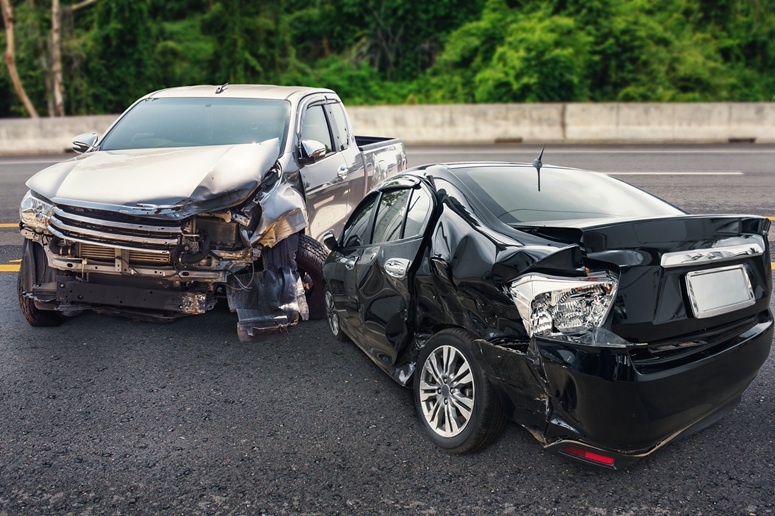
If you are involved in a car accident in North Texas, move to a safe location, check for injuries, call 911 when appropriate, exchange information, document the crash, seek medical care, notify your insurer, and consider reaching out to Anderson, Cummings & Drawhorn before accepting a settlement. The steps you...
Read Article
Slip-and-Fall accidents in Fort Worth businesses are not only common but also often surprisingly serious. Fort Worth is growing rapidly in terms of both population and economic growth, and some businesses cut safety corners in their rush to keep up. If you’ve been injured in a slip-and-fall accident as a...
Read Article
There are few industries that are more dangerous than oilfields, but some oilfield jobs are more dangerous than others. The Barnett Shale is directly underneath Fort Worth and the surrounding area, and this translates to oilfield jobs. If you’ve been injured on the job while working in an oilfield, you...
Read ArticleTell us about your accident and your injuries. An injury lawyer from our team will call and provide you with a free evaluation of your case. If we can help, and you are unable to travel, we will come to your home, office, or hospital. It’s easy – let’s get started.

Email us anytime and we will get back to you.

Our attorneys will come to your home, office or hospital at your convenience.

Our team is ready and waiting to help you today.
 Call Us At (817) 920-9000